Escape the Crowds: Uncover Portugal’s Best-Kept Beach Town Secrets
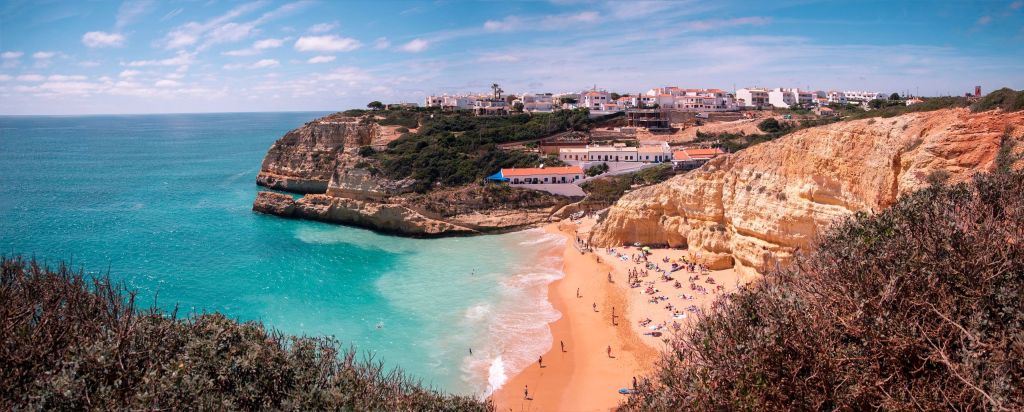
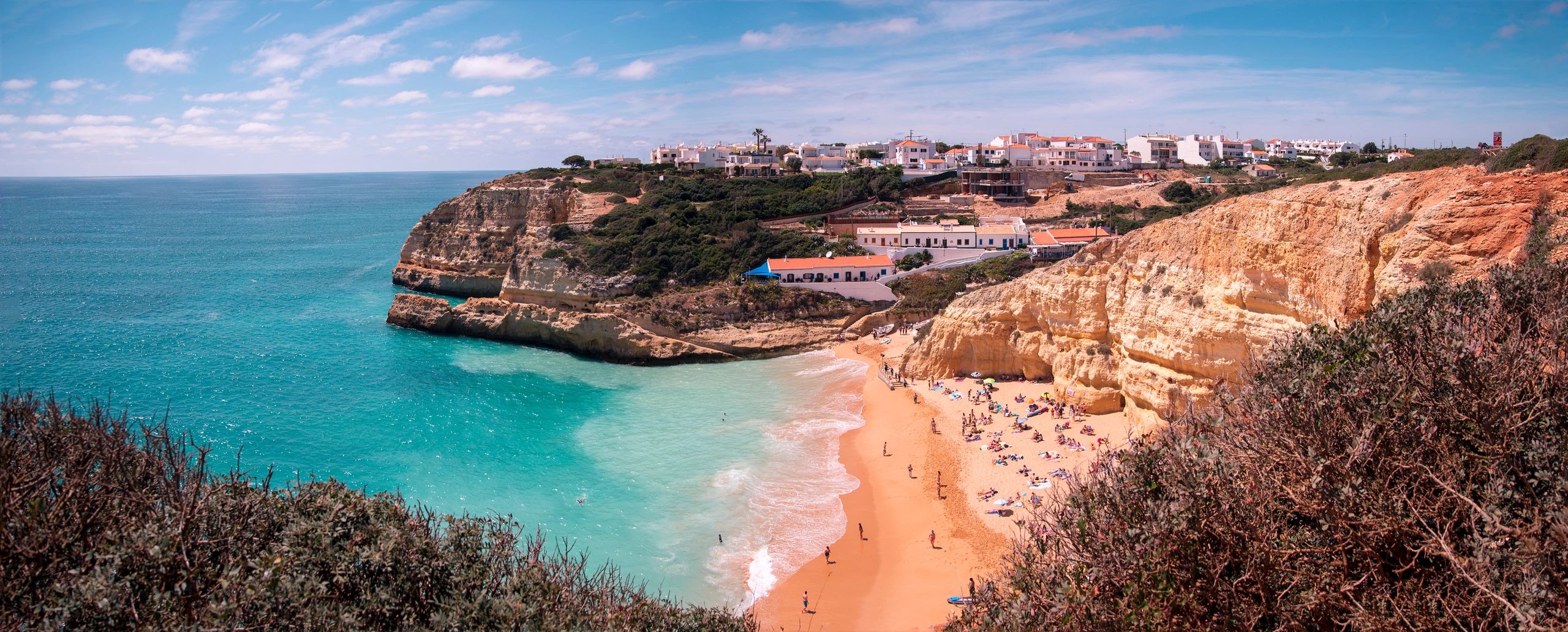
For young adventurers craving authenticity over Instagram check-ins, Portugal’s underrated beach towns offer a refreshingly raw coastal experience. While destinations like Lisbon and the Algarve dominate travel feeds, a quieter, wilder shoreline awaits those willing to venture beyond the tourist maps. Think golden dunes meeting Atlantic swells, pastel villages clinging to cliffs, and empty coves accessible only by foot or local ferry. These hidden coastal escapes provide the perfect backdrop for surf sessions at dawn, seafood grilled in family-run tascas, and spontaneous road trips along winding coastal routes.
This guide unveils the magic of Portugal’s lesser-known seaside communities—from the wild southwest Alentejo coast to the windswept beauty of the Silver Coast—where tradition runs deep and the pace slows. You’ll learn how to identify truly off-grid beach towns, what activities align with each region’s unique vibe, and how to plan a flexible, enriching trip without the hassle. Whether you're into stand-up paddleboarding, coastal hiking, or simply finding a quiet spot to journal with sea spray in the air, these underrated spots deliver unforgettable moments. Ready to trade crowded beaches for authentic charm? Let’s explore where the real coastal adventure begins.
What Truly Makes a Portuguese Beach Town a Hidden Gem?
Discovering a hidden gem beach town in Portugal goes far beyond stunning coastlines—it's about uncovering destinations where authenticity, tranquility, and local culture thrive away from the tourist crowds. These lesser-known coastal communities offer a genuine slice of Portuguese life, where whitewashed homes cling to cliffs, fishermen mend nets by hand, and village festivals celebrate age-old traditions. What sets these towns apart is their ability to preserve natural beauty while offering accessible, low-impact experiences for travelers seeking serenity.
Key factors that define a true hidden gem include:
Local Culture & Authenticity: Towns where daily life isn’t shaped by tourism, featuring family-run tascas, artisan markets, and regional music echoing through cobblestone alleys.
Accessibility Without Overcrowding: Located within reasonable driving distance from major hubs like Lisbon or Porto, yet far enough to avoid peak-season congestion.
Unspoiled Natural Beauty: Pristine beaches framed by dunes, cliffs, or pine forests, often protected within regional natural parks. Think golden sands lapped by Atlantic waves and crystal-clear coves perfect for swimming or surfing.
Travelers benefit by experiencing Portugal’s coastal charm without the noise and inflated prices of mainstream resorts. These towns support sustainable tourism, allowing visitors to immerse in community life while enjoying uncrowded trails, fresh seafood, and slow-paced seaside living—ideal for meaningful, restorative getaways along Portugal’s breathtaking shoreline.
7 Hidden Gem Beach Towns in Portugal for the Discerning Traveler
Escape the well-trodden Algarve resorts and uncover Portugal’s quieter coastal masterpieces—these seven beach towns blend pristine shorelines, authentic culture, and local charm perfect for travelers seeking serenity and soul.
Ericeira – Europe’s Surf Sanctuary
Famous for its powerful Atlantic breaks and laid-back vibe, this designated World Surfing Reserve offers more than just world-class waves. Cobbled streets lead to cliffside cafes serving fresh seafood, while the nearby Ribeira d’Ilhas beach hosts international surf competitions. Ideal for surfers and sun-seekers alike, it’s also within easy reach of Lisbon.
Vila Nova de Milfontes – Where River Meets Ocean
Nestled at the mouth of the Mira River, this tranquil town charms with golden sands, crystal-clear waters, and dramatic cliffs. Kayak upriver to spot herons and kingfishers, or explore the medieval São Salvador do Mundo fortress. Its relaxed pace and family-friendly beaches make it perfect for slow travel.
Comporta – Bohemian Coastal Elegance
Emerging as a chic yet understated escape, Comporta dazzles with rice fields, dune-backed beaches like Pego and Carvalhal, and eco-luxury stays. Locals gather at beachfront tascas (taverns), and the artsy vibe attracts a creative crowd. Visit during summer solstice for open-air dinners under the stars.
Figueira da Foz – The Belle Époque Seaside Escape
Often overlooked, this central Portugal gem features a long sandy beach, a historic lighthouse, and early 20th-century architecture. Stroll the Avenida República promenade, rent bikes along the Mondego River, or enjoy a fresh seafood cataplana. It’s ideal for those blending beach time with cultural exploration.
Santa Cruz – Adventure Hub with Authentic Soul
Just an hour from Lisbon, Santa Cruz draws kiteboarders and food lovers alike. Praia de Santa Cruz offers consistent swells, while the town’s market delivers local cheeses, grilled sardines, and pastéis de nata. Explore the nearby Serra de Montejunto for hiking and panoramic ocean views.
Vilanova de Cacela – Historic Serenity in the Algarve Backcountry
Tucked near the Spanish border, this white-washed village offers uncrowded beaches, a 16th-century fort, and access to the Ria Formosa Natural Park. Walk the cobbled lanes, spot flamingos in the lagoons, and dine on cataplana de marisco with sunset views over the marshes.
Montargil – Inland Coastal Vibes on a Reservoir
Not a seaside town, but a lakeside haven with beach-like appeal. Montargil’s marina buzzes with sailing and paddleboarding on the tranquil waters of the River Ocreza. Stay in rustic-chic villas, enjoy water sports, or simply unwind with a glass of Alentejo wine at sunset.
Each destination offers a unique way to experience Portugal’s coastal magic—plan ahead, pack light, and embrace the rhythm of local life for a truly enriching escape.
Plan Like a Pro: Your Step-by-Step Guide to Visiting Portugal’s Hidden Beach Towns
Discovering Portugal’s hidden gem beach towns is easier with a strategic approach that aligns with local rhythms and travel logistics. Follow these steps to ensure a seamless, authentic experience.
Choose the Ideal Time to Visit
Aim for shoulder seasons—May to June or September to early October—to enjoy pleasant weather, fewer crowds, and lower accommodation rates. These months offer ideal conditions for coastal walks, water activities, and mingling with locals before or after peak tourist influx.
Prioritize Regional Transportation Options
While renting a car provides the most flexibility—especially for accessing remote coastal routes—many hidden towns like Carvoeiro, Vila Nova de Milfontes, or Espinho are reachable via regional buses or trains. Research intercity transit ahead of time and download offline schedules to avoid delays.
Book Accommodations That Reflect Local Character
Opt for casas rurais, guesthouses, or small pousadas in the town center. Staying within walking distance of the waterfront and main plazas puts you closer to daily life and spontaneous cultural moments.
Engage With Culture Like a Local
Visit neighborhood padaria (bakeries) in the morning, shop at open-air markets, and dine at restaurants where menus are in Portuguese. Learn a few key phrases—locals appreciate the effort and often respond with insider tips.
Use a Travel App to Sync Your Itinerary
Track ferry times, restaurant reservations, and tide schedules in one place. Offline maps and translation tools are essential for navigating narrow cobblestone streets with limited connectivity.
What Travelers Need to Know About Portugal’s Hidden Beach Towns
Is it safe to visit secluded beach towns in Portugal?
Yes, Portugal consistently ranks as one of Europe’s safest countries, and most hidden gem beach towns—particularly in regions like the Alentejo Coast and southwest Algarve—offer low crime rates and welcoming communities. Exercise standard precautions such as securing valuables and staying aware during evening walks on unlit paths, especially in more remote areas with limited nighttime infrastructure.
How can I budget effectively for a trip to these towns?
While coastal hotspots can be pricey, lesser-known towns often provide affordable accommodations, local tascas (family-run eateries), and free beach access. Travelers can stretch their budget by visiting in shoulder seasons, cooking meals using fresh market ingredients, and opting for public transport or bike rentals over car use.
Do I need to speak Portuguese?
In tourist-friendly but under-the-radar locations like Comporta or Vila Nova de Milfontes, English is commonly spoken in guesthouses and cafes. However, knowing basic Portuguese phrases enhances interactions and shows respect for local culture, especially in villages where tourism is less commercialized.
When is the best time to visit for ideal weather and fewer crowds?
Late spring (May–June) and early autumn (September–October) offer warm temperatures, calm seas, and thinner crowds. July and August draw more visitors, but remote towns maintain a relaxed feel compared to packed southern resorts.
Are these towns accessible year-round?
Some smaller towns reduce services in winter, so confirm opening dates for accommodations and eateries if traveling between November and March. Coastal hiking and photography remain excellent year-round thanks to mild Atlantic climate patterns.
Embrace the Journey Beyond the Ordinary
Exploring hidden gem beach towns in Portugal offers more than just sun and sand—it’s a gateway to authentic coastal living, where traditional villages, unspoiled landscapes, and mindful travel converge. From the windswept dunes of the Alentejo coast to the pastel-hued alleyways of secluded Algarve coves, these destinations provide a refreshing alternative to crowded resorts and commercialized hotspots. Travelers who venture off the beaten path discover a slower rhythm of life, rich cultural heritage, and direct access to nature’s beauty, whether kayaking along protected estuaries or hiking cliffside trails with panoramic Atlantic views.
To make the most of your discovery:
Travel sustainably by supporting family-run guesthouses and local eateries
Visit during shoulder seasons like late spring or early fall for ideal weather and fewer crowds
Use reusable gear and respect marine zones to help preserve fragile coastal ecosystems
Loved this guide? Stay ahead of the adventure curve. Sign up for the I-Journey newsletter and be the first to know when we launch—with exclusive access to future travel guides, hidden destination alerts, and insider tips straight to your inbox.
Choosing lesser-known towns not only enhances your personal experience but also promotes equitable tourism that benefits local communities. With thoughtful planning and a spirit of curiosity, your journey becomes part of a larger movement toward responsible exploration. Start mapping your next coastal escape with intention—Portugal’s quiet shores are ready to welcome you.
 I-Journey