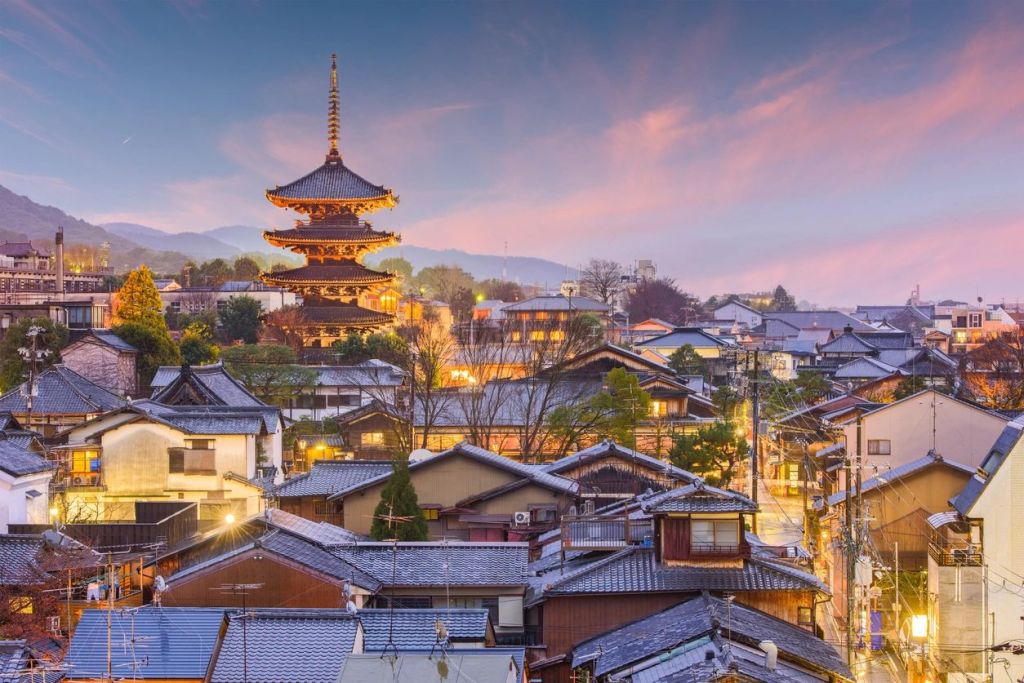
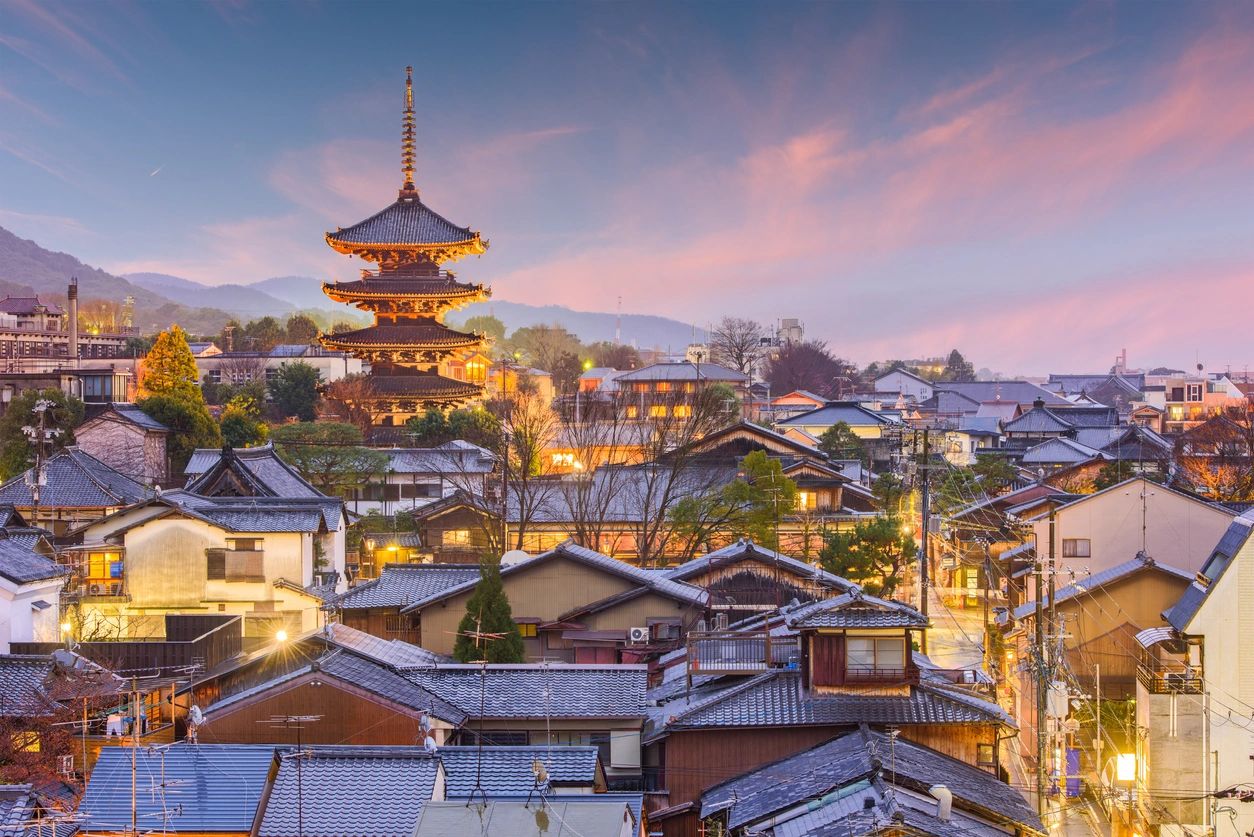
Kyoto rewards slow travel. Once you get past the postcard shots of Fushimi Inari's orange gates, this city is really a collection of quiet neighborhoods, family-run restaurants, and temples that have stood since before most countries had names. Five days is enough to see the icons and still leave room to wander. Here's how to spend them.
Day 1: Arrival and Gion
Land in Osaka (Kansai International is the easiest gateway) and take the Haruka Express directly into Kyoto Station, about 80 minutes door to door. Check into your ryokan or hotel, then ease into the trip with an afternoon walk through Gion, the geisha district. Pontocho Alley is best at dusk, when the lanterns come on and restaurants along the Kamo River open their riverside terraces. Have dinner at a small kaiseki spot and call it an early night to fight the jet lag.
Day 2: Fushimi Inari and Southern Higashiyama
Start before 7am at Fushimi Inari Taisha. The thousands of vermillion torii gates are the reason most people come to Kyoto, and arriving at sunrise means long stretches of the mountain path to yourself before the tour buses show up. Budget two hours if you want to hike to the summit and back. From there, head to Southern Higashiyama: Kiyomizu-dera's wooden stage, the preserved streets of Sannenzaka and Ninenzaka, and the gardens at Kodai-ji. Have lunch on yudofu, Kyoto's tofu hot pot, near Kiyomizu-dera.
Day 3: Arashiyama and the Bamboo Grove
Head to the western edge of the city for Arashiyama. The bamboo grove is famous for a reason, but arrive by 8am to actually experience the quiet rather than a crowd of umbrellas. Combine it with Tenryu-ji temple's pond garden, a stroll along the Katsura River, and the Arashiyama Monkey Park if you want views over the city. In the afternoon, rent a bicycle and explore Sagano's smaller temples and rice fields at your own pace before heading back into town for dinner in Pontocho.
Day 4: Northern Higashiyama and the Philosopher's Path
Spend the morning at Ginkaku-ji, the Silver Pavilion, then walk the Philosopher's Path, a two-kilometer canal-side route lined with cherry trees and small cafes, connecting several temples along the way. Stop at Eikan-do for its maple gardens and at Nanzen-ji for the brick aqueduct that cuts through the temple grounds, a strange and photogenic leftover from the Meiji era. In the evening, explore Nishiki Market, Kyoto's covered food market, for skewers, pickles, and fresh seafood.
Day 5: Nijo Castle and Departure
Use your last morning at Nijo Castle, a UNESCO site famous for its nightingale floors, which chirp underfoot as a built-in security measure against intruders. If you have a few hours left, browse Teramachi and Shinkyogoku shopping streets for souvenirs, or duck into a kissaten, an old-school Japanese coffee shop, for one last quiet moment before heading to the station for your onward journey.
Practical notes: The best months are March to May and October to November, when weather is mild and the cherry blossoms or fall foliage are in bloom. Get a Kyoto City Bus one-day pass if you're relying on buses, though the subway and walking often work better since central Kyoto traffic gets heavy.
Where to Stay
Budget: Guesthouses and hostels around Kyoto Station, like K's House Kyoto, put you within walking distance of the Shinkansen and the bus terminal, with dorms and simple private rooms well under $60 a night.
Mid-range: Base yourself in Gion or Higashiyama at a hotel like Hotel Granvia Kyoto (attached to the station, easy for early starts) or a small family-run ryokan in Higashiyama for a more traditional feel, typically $150-250 a night.
Splurge: For a full ryokan experience with kaiseki dinner and a private onsen bath, look at Tawaraya or The Ritz-Carlton, Kyoto, both known for impeccable service and riverside views, from $500 a night and up.
Where to Eat
Kikunoi: A three-Michelin-starred kaiseki restaurant near Maruyama Park, worth the splurge for a multi-course seasonal tasting menu if you want to understand what all the fuss over Kyoto's dining scene is about.
Omen: A casual, long-running udon restaurant near Ginkaku-ji, perfect after a morning walking the Philosopher's Path. Order the namesake omen noodles with the sesame dipping broth.
Nishiki Market: Kyoto's kitchen since the Edo period, this covered market is the easiest way to sample a lot in a short time: skewered chicken, fresh tofu, pickles, and street-food classics like tako tamago.
Planning more trips like this one? Subscribe to the blog for a new itinerary every few days, straight to your inbox.
 I-Journey