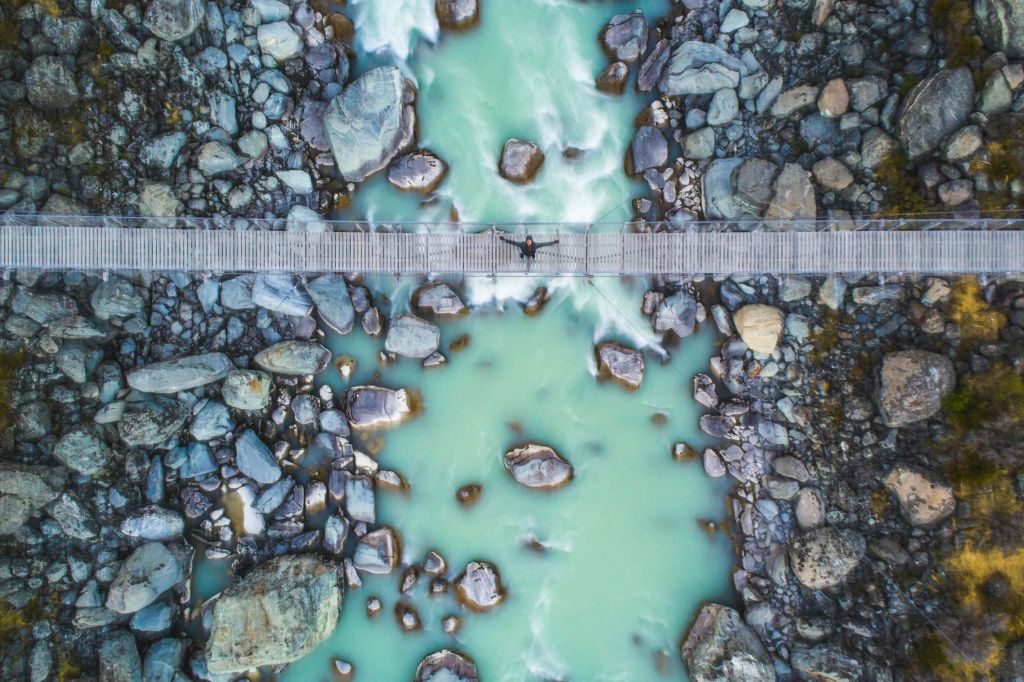
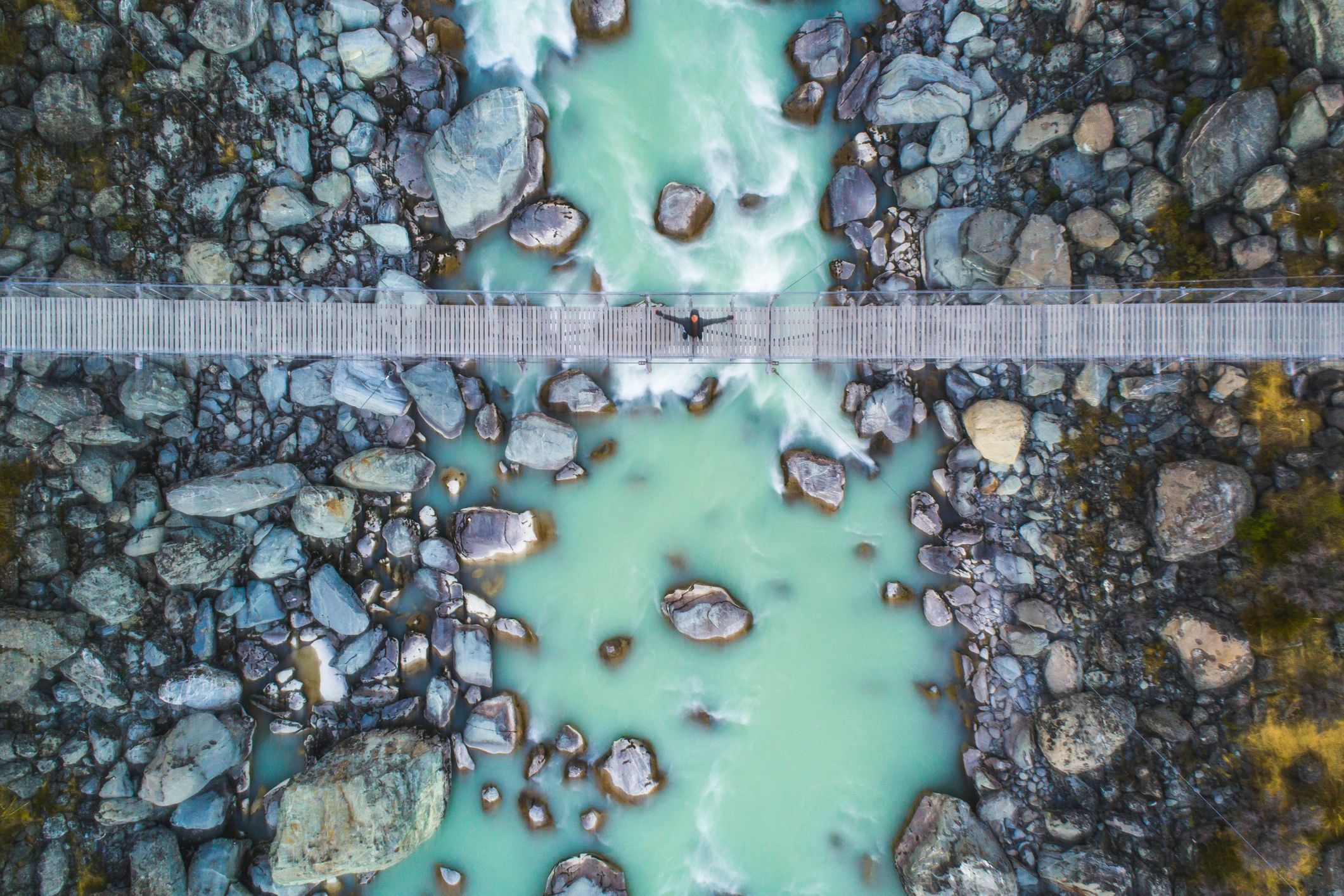
Feel the Rush: Where Adventure Meets Natural Majesty
New Zealand isn’t just a destination—it’s a full-throttle invitation to push your limits amidst some of the most jaw-dropping terrain on Earth. From the snow-capped Southern Alps to volcanic plateaus and fjord-lined coastlines, this country was practically engineered for adrenaline junkies. It’s no surprise that thrill-seekers aged 18 to 40 consistently rank New Zealand among the top spots for extreme sports, thanks to its diverse geography and deeply rooted adventure culture.
Whether you're drawn to leaping off bridges, hurtling down rapids, or soaring above mountain ranges, New Zealand delivers heart-pounding experiences backed by rigorous safety standards and expert local guidance. The landscape doubles as a natural playground for bungee jumping, skydiving, white-water rafting, and heli-skiing—all within striking distance of vibrant towns like Queenstown, Rotorua, and Wanaka.
In this section, you’ll discover how to align your fitness level, skill set, and adventure appetite with the right activities. You’ll also learn how weather patterns, altitude, and regional geography influence trip planning so you can chase thrills responsibly. Get ready to explore what makes Aotearoa the ultimate testing ground for modern adventurers—and how to prepare for your own high-octane journey down under.
Take the Leap: Your Step-by-Step Guide to Bungee Jumping in Queenstown
Queenstown, known as the adventure capital of New Zealand, is where commercial bungee jumping began—and jumping here is a rite of passage for thrill-seekers. If you're ready to face the void, follow this practical guide to ensure a safe, exhilarating experience.
Choose the Right Jump Site
Start with Kawarau Bridge, the original commercial jump at 43 meters—ideal for first-timers with a splash landing option. For a greater challenge, head to the Nevis Highwire Platform, offering a 134-meter freefall over a dramatic canyon. Each site offers unique thrills, so match your choice to your comfort level.
Book Ahead and Arrive Early
Popular jump times fill quickly, especially in peak season. Secure your spot online in advance and arrive at least 30 minutes early to complete registration, watch safety briefings, and mentally prepare.
Dress and Prepare Smartly
Wear secure, snug-fitting clothing and tie back long hair. Avoid loose items—your gear will be checked. Listen closely to your jump master; they’ll fit your ankle harness and explain body positioning.
Understand the Safety Process
Twin cords, regular inspections, and trained crew members are standard. Trust the system—the equipment and protocols are designed for maximum safety and performance.
Take the Plunge with Confidence
When it’s your turn, step to the edge, lean forward, and commit. The initial fall is intense, but the rebound brings a surreal float—pure adrenaline and awe.
Remember: every leap begins with one breath. Be bold, stay calm, and embrace the drop.
Conquer the Ice: Your Complete Guide to Glacier Hiking in New Zealand’s West Coast
Exploring the dazzling ice fields of Franz Josef and Fox Glaciers is a bucket-list adventure, but safety and preparation are key to enjoying these dynamic environments. These active glaciers shift constantly due to melt, snowfall, and movement, making professional guidance essential for a secure and rewarding experience. While the allure of solo exploration is strong, unguided travel on these icy terrains carries serious risks, including hidden crevasses, unstable snow bridges, and sudden weather changes.
Guided tours offer structured access with expert alpine guides who assess conditions daily and lead groups along safe routes tailored to fitness and experience levels. Most tours include essential gear such as crampons, helmets, and ice axes—items that are not optional when walking on hard-packed snow and blue ice. Be sure to wear moisture-wicking thermal layers, a waterproof outer shell, and sturdy hiking boots with strong ankle support. Avoid cotton, as it retains moisture and can lead to rapid heat loss in cold conditions.
Timing matters: morning hikes often provide the most stable ice and clearer skies. Booking in advance is recommended, especially in peak seasons, as tour sizes are limited to preserve safety and environmental integrity. Whether you're scrambling over ice walls or weaving through glacial valleys, staying informed, properly geared, and guided ensures an unforgettable yet responsible journey across New Zealand’s most breathtaking frozen landscapes.
7 Heart-Pounding Adventures to Experience Across New Zealand’s Wild Landscapes
New Zealand’s dramatic terrain—carved by glaciers, volcanoes, and tectonic forces—creates the perfect playground for extreme sports enthusiasts. From soaring above alpine peaks to hurtling through narrow canyons, these seven adrenaline-fueled activities deliver unmatched thrills in some of the country’s most iconic regions.
Skydive Over Queenstown – The Ultimate Freefall Experience
Soar to 15,000 feet above the Remarkables mountain range and freefall at 200 km/h before your parachute deploys for a scenic glide. Skydiving here offers panoramic views of Lake Wakatipu and surrounding valleys, making it one of the most photographed jumps on Earth. First-timers can opt for tandem jumps with certified instructors—just remember to breathe and take in the vastness below.
White-Water Raft the Rotorua Rapids – Navigate Volcanic Thrills
Harness the power of geothermally charged rivers like the Kaituna, home to the thunderous 7-meter Tutea Falls—the highest commercially rafted waterfall in the world. With Grade V rapids and swirling hydrothermal currents, this isn’t for the faint-hearted. Wetsuits and secure helmets are mandatory, and guides are trained in swift-water rescue for added safety.
Jet Boat Through the Dart River – Precision at 80 km/h
In Glenorchy’s remote wilderness, jet boating combines high speed with razor-sharp maneuvering through narrow rock gorges. Pilots use every inch of river width, executing 360-degree spins just meters from canyon walls. The shallow draft design allows access deep into alpine zones unreachable by standard boats—ideal for spotting native kea parrots mid-flight.
Bungee Jump from Auckland’s Harbour Bridge – Urban Adrenaline
Take the leap in the heart of the city with a bridge jump that drops you toward the sparkling Waitematā waters. While shorter than commercial jumps in Queenstown, this urban option delivers a controlled rush with modern harness systems and double-rope redundancy for maximum safety.
Canyon Swing in Taupō – The World’s Largest Swing Jump
Feel weightless as you’re suspended 40 meters above the Waikato River before launching into a pendulum swing spanning over 200 meters. This hybrid between bungee and swing offers a longer freefall duration and a smooth rebound—perfect for capturing slow-motion selfies mid-air.
Black Water Rafting in Waitomo – Glowworm Grottoes and Underground Rapids
Descend into ancient limestone caves on inner tubes, navigating subterranean streams lit only by bioluminescent glowworms. Helmet-mounted lights enhance visibility, while wetsuits protect against chilly water temperatures. Rappelling and zip lines add vertical excitement to this unique underground journey.
Paraglide Over Abel Smith Coast – Soar Like a Seabird
Launch from Mount Maunganui’s volcanic cliffs and ride thermal updrafts along the golden sand beaches of Taranaki. Pilots can stay aloft for up to 30 minutes, communicating via radio with ground crews to coordinate landing spots onshore.
Each of these adventures blends natural beauty with calculated risk—making preparation, certified operators, and proper gear non-negotiable for a safe and unforgettable experience.
Adventure-Ready in New Zealand: Your FAQs Answered
What physical fitness level is needed for adventure activities in New Zealand?
Most adrenaline adventures, from skydiving to white-water rafting, require a moderate level of fitness. You don’t need to be an athlete, but activities like backcountry hiking, glacier climbing, or multi-day kayaking demand stamina and basic mobility. Always disclose pre-existing medical conditions when booking, and consult your doctor if you have concerns about cardiovascular health, joint issues, or respiratory conditions.
When is the best time to visit for adventure tourism?
New Zealand’s adventure season peaks from late spring to early autumn (October to April), when weather is milder and daylight lasts longer. Summer (December–February) offers ideal conditions for bungee jumping, jet boating, and trekking in regions like Queenstown, Rotorua, and Fiordland. Winter (June–August) draws thrill-seekers for heli-skiing and snowboarding in the Southern Alps.
Do I need special travel insurance for adventure sports?
Yes—standard policies often exclude high-risk activities. Ensure your plan explicitly covers adventure pursuits like skydiving, caving, or paragliding. Look for coverage that includes emergency medical evacuation, especially in remote areas like the West Coast or Tongariro National Park.
Can I combine multiple adventures in one trip?
Absolutely. Many travelers link experiences across the North and South Islands—think black-water rafting in Waitomo followed by a Tongariro Alpine Crossing hike. Regional hubs like Queenstown and Taupō make it easy to book multi-activity itineraries with streamlined transport and guided coordination.
Are there age or weight restrictions for activities?
Yes—bungee operators typically require participants to be at least 10 years old and between 40–130kg for safety harness efficiency. Skydiving centers often set a minimum age of 12–16 and may impose higher weight limits depending on equipment.
How do weather conditions impact adventure plans?
New Zealand’s weather changes rapidly, especially in mountainous or coastal zones. Operators monitor conditions closely and may reschedule or cancel for safety. Always allow flexible booking windows and buffer days in your itinerary.
What should I pack for a multi-adventure trip?
Layered clothing, waterproof gear, sturdy footwear, and a daypack are essentials. Bring moisture-wicking base layers for physical exertion and a dry bag for water-based excursions. Most operators provide technical equipment, so focus on personal comfort and protection.
Ready for Your Next Leap? Embrace Adventure with Confidence
New Zealand stands as one of the planet’s most electrifying destinations for thrill-seekers, where snow-capped peaks, deep fjords, and volcanic plateaus form the ultimate backdrop for heart-pounding experiences. From bungee jumping in Queenstown to white-water rafting in Rotorua or abseiling through hidden gorges in the South Island, the opportunities to push your limits are endless. But true adventure isn’t just about adrenaline—it’s about preparation, respect, and responsibility.
Before you take the plunge, ensure you’re equipped with the right knowledge: check local weather conditions, understand trail or route difficulty levels, and confirm that your chosen activity aligns with your skill set. Always book with licensed operators who follow national safety standards and prioritize environmental stewardship. Stick to marked paths, respect Māori cultural sites, and leave no trace—preserving New Zealand’s pristine landscapes ensures they remain accessible for future explorers.
To get started:
Research region-specific adventure regulations
Pack layered, weather-appropriate gear and emergency supplies
Share your itinerary with someone trustworthy
Carry a fully charged GPS or satellite communicator
The magic of New Zealand lies not just in its dramatic scenery, but in the transformation that comes from stepping beyond comfort zones. Let the spirit of exploration guide you—safely, mindfully, and boldly. Your next great adventure isn’t just possible—it’s waiting.
Loved this guide? Stay ahead of the adventure. Subscribe to the I-Journey blog and be the first to know when we launch—with exclusive access to future travel guides, hidden destination alerts, and insider tips straight to your inbox.
 I-Journey