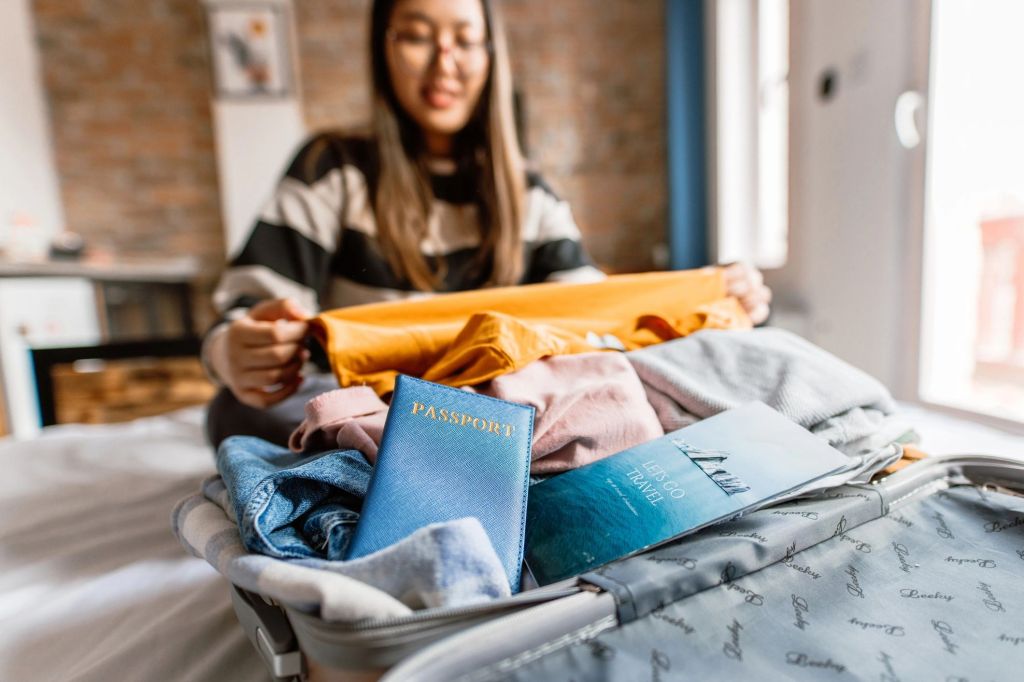
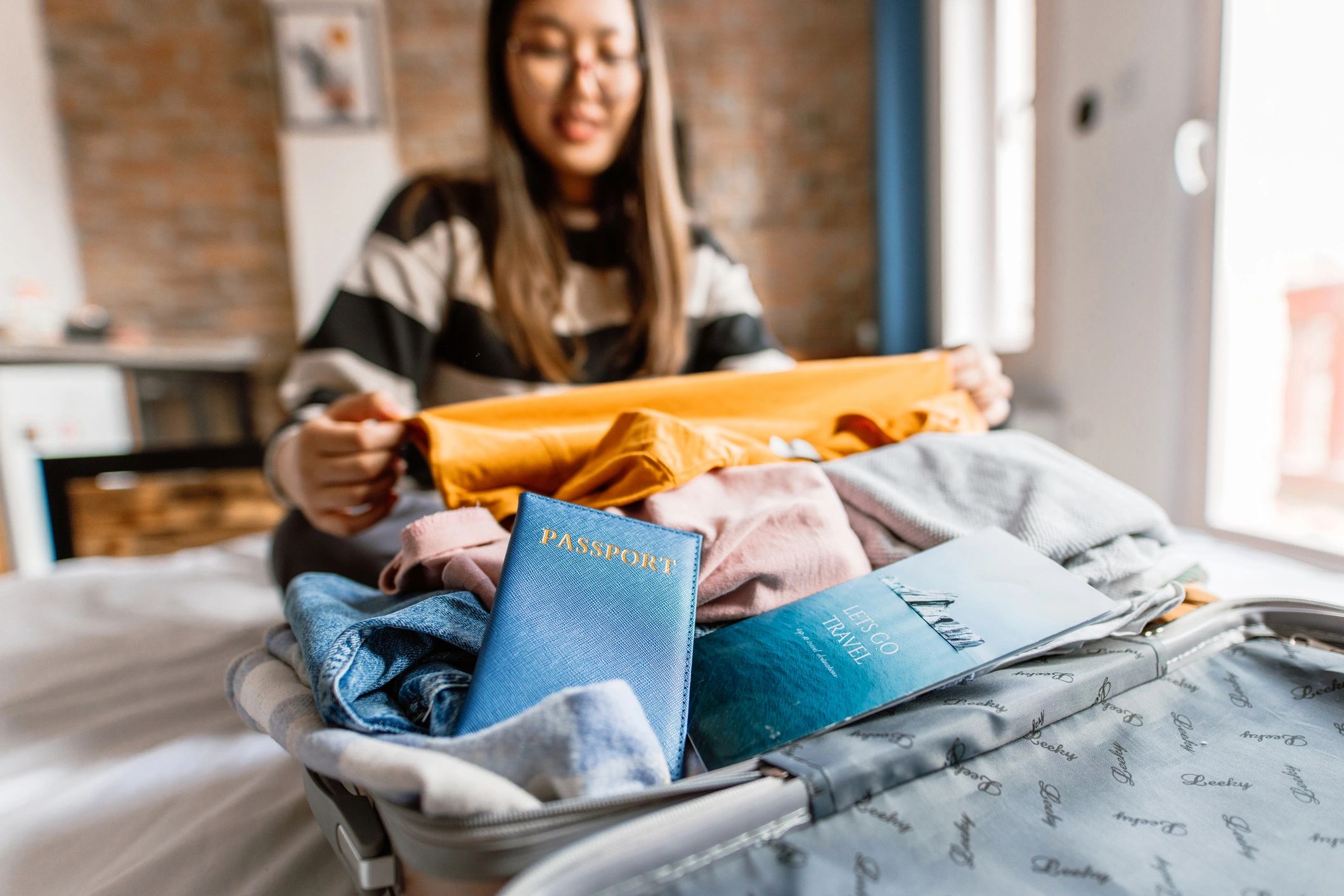
The Packing Puzzle: Why Smart Travelers Are Tired of Suitcase Struggles
Every seasoned traveler knows the all-too-familiar scene: standing in front of an overstuffed suitcase, trying to force the zipper shut while mentally debating which three outfits to sacrifice. For young, on-the-go explorers—whether hopping from city to city in Europe or catching back-to-back flights across Southeast Asia—packing isn’t just a chore, it’s a high-stakes balancing act between style, practicality, and airline carry-on limits. The truth? Overpacking slows you down, weighs you down, and often leads to stress at security, baggage fees, or lost luggage nightmares—especially when navigating tight layovers in hubs like Dubai, Tokyo, or Amsterdam.
But it doesn’t have to be this way. The world’s most frequent flyers have cracked the code with a toolkit of genius packing hacks designed to maximize space, minimize wrinkles, and keep essentials within reach. From strategic garment rolling techniques to multi-functional accessories that pull double duty, these methods aren’t just about saving inches in your luggage—they’re about reclaiming time, comfort, and peace of mind on the move.
In this guide, you’ll uncover expert-level strategies that transform the way you pack. Expect to learn space-saving folds, how to build a capsule wardrobe for any climate, and smart organization systems that make finding your power adapter or favorite outfit effortless—no matter where your next flight lands.
7 Pro Packing Secrets from Savvy Frequent Flyers
Seasoned travelers don’t just pack—they strategize. Whether you're boarding a red-eye to New York or catching a sunrise flight to Los Angeles, mastering the art of efficient packing saves time at security, reduces stress, and keeps your luggage within airline limits. Here are 7 time-tested techniques used by experienced jet-setters to streamline their journeys.
Roll, Don’t Fold: Maximize Space and Minimize Wrinkles
By tightly rolling soft fabrics like cotton and knits, you compress bulk and create a puzzle-like fit in your suitcase. This method prevents deep creases and allows for easier visibility and access to items without unpacking everything.
Packing Cubes Are Game-Changers
These structured organizers compartmentalize your belongings—group by outfit, category, or function. Compression cubes take it further, removing trapped air to shrink volume, especially useful for bulky sweaters or travel pillows.
Wear Your Heaviest Items Onboard
Save precious suitcase real estate by wearing your bulkiest clothes—jackets, boots, and jeans—during transit. This tactic not only avoids overweight fees but also layers well for changing cabin temperatures.
Strategic Shoe Stuffing for Double Duty
Use shoes as mini storage units. Fill them with socks, chargers, or undergarments to maintain their shape and free up packing cube space. Place them heel-to-toe in a shoe bag to prevent scuffs.
Lay Flat the Heavies, Layer the Lights
Place dense items—like shoes or toiletry kits—against the suitcase’s hard shell to stabilize weight distribution. Stack lighter garments on top to reduce wrinkling and balance the load when lifting.
The Toiletry Roll-Up: Efficiency in a Bundle
Wrap travel-sized bottles in a silicone travel roll, securing caps with plastic wrap to prevent leaks. This keeps liquids contained and easily accessible during airport security checks.
Plan Outfits with Mix-and-Match Versatility
Pack a color-coordinated capsule wardrobe—neutral bases with accent pieces that blend seamlessly. This reduces overall volume while increasing outfit combinations, ideal for multi-city trips from Miami to Seattle.
Gear Up for Stress-Free Travel: Smart Essentials That Save Space and Sanity
Mastering the art of efficient packing starts with choosing the right gear—tools and items designed to reduce clutter, maximize versatility, and keep your journey smooth from departure to destination. For frequent flyers, every ounce and inch of luggage matters, which is why intelligent travel essentials are non-negotiable.
Start with lightweight, durable luggage made from high-performance polycarbonate or ABS materials. These offer superior impact resistance without adding bulk, making them ideal for overhead bins and international carry-on standards. Spinner wheels and telescopic handles should be tested for smooth maneuverability in tight terminals—especially helpful when navigating crowded airports like Dubai, London Heathrow, or JFK.
Swap full-size toiletries for travel-sized containers that meet TSA and global liquid regulations. Use silicone bottles that are leak-proof and reusable, minimizing plastic waste while keeping your essentials organized. Consider solid alternatives—like shampoo bars or powdered cleansers—that eliminate spill risks and save space.
Embrace multipurpose clothing made from wrinkle-resistant, quick-dry fabrics. Pack neutral-toned, layerable pieces that transition from daytime exploring to evening dining. Convertible pants, dress shirts with UV protection, and merino wool items reduce laundry needs and outfit count.
Finally, go digital: store backup copies of passports, visas, boarding passes, and reservations securely in cloud storage or password-protected files. Access them from any device, and keep your physical wallet clutter-free—even if your luggage takes a detour.
Build Your Perfect Travel Wardrobe: A 7-10 Day Capsule Guide
Maximize style and minimize stress on your next trip with a smart capsule wardrobe designed for 7–10 days of effortless travel. By strategically selecting versatile, mix-and-match pieces, you can pack light while staying polished for any occasion—from city strolls to sunset dinners. Follow these steps to create a streamlined, adaptable wardrobe that fits in a carry-on.
Choose a Cohesive Color Palette
Start with a base of neutral tones—think navy, gray, ivory, or black—that easily pair together. Add 1–2 accent colors (like coral or olive) to personalize your look. Sticking to a unified palette ensures every top works with every bottom.
Select Core Pieces First
Pack 3–4 tops (including 1–2 blouses or button-downs and a lightweight sweater), 2 bottoms (e.g., tailored pants and dark jeans), and 1 versatile dress. Opt for wrinkle-resistant, quick-dry fabrics ideal for travel and layering.
Layer Strategically
Include one packable outerwear piece—a trench coat, denim jacket, or cardigan—that complements all your outfits. Layers add variety without bulk.
Limit Footwear to 3 Pairs
Choose one walking shoe, one dressy option, and one casual sandal or flat. All should match multiple outfits and support different terrains, especially if exploring cities or coastal areas.
Accessorize to Transform
Use scarves, jewelry, or a statement belt to refresh looks instantly. These small additions create visual variety without taking up space.
With this method, you’ll enjoy endless outfit combinations, reduce decision fatigue, and breeze through security with just a carry-on.
Packing Smarts: Your TSA and Travel Logistics Questions Answered
What items are TSA-approved in carry-on luggage for international flights?
Travelers can bring liquids in containers of 3.4 ounces or less, all fitting within a single quart-sized, resealable bag. Electronics must be easily accessible for separate screening, and medications are allowed in reasonable quantities with or without packaging. Solid food items are generally permitted, while gels, pastes, and aerosols follow liquid rules. Always pack sharp objects, tools, and flammable materials in checked baggage.
How can I manage laundry during an extended trip without overpacking?
Plan to do laundry every 7–10 days using in-hotel services or local laundromats in cities like Miami, Seattle, or Austin. Pack wrinkle-resistant travel clothing made from quick-dry fabrics, and bring a small sink stopper and travel detergent sheets for hand-washing essentials like underwear and workout gear in your hotel room.
What are the best strategies to avoid overpacking?
Use a capsule wardrobe approach—select versatile, mix-and-match items in neutral tones. Roll clothes to save space and reduce wrinkles. Stick to a strict list based on your itinerary, and limit shoes to three pairs: walking, casual, and dress. Weigh your bag before departure to stay under airline limits.
Is it possible to travel long-term with just a carry-on?
Yes—choose lightweight, multi-functional clothing and layer strategically for different climates. Limit toiletries to travel sizes and replace them en route if needed. Use packing cubes to maximize space and keep items organized by category: tops, bottoms, sleepwear, and accessories.
What should I never pack in my carry-on?
Avoid large bottles of liquids over 3.4 oz, lithium batteries in checked bags, and valuable or irreplaceable items like passports, prescription medications, and jewelry. Never pack weapons, sharp objects, or flammable materials in any bag.
How do I handle dirty laundry in my carry-on?
Use a separate packing cube or reusable dry-cleaning bag to isolate used clothes. Odor-resistant, antimicrobial travel laundry bags help contain smells and keep clean items fresh. Empty the bag into a hotel washer or drop-off service at the earliest opportunity.
Can I bring food through security on domestic and international flights?
Solid foods like sandwiches, fruits, and snacks are allowed in carry-ons. TSA officers may need to inspect them separately. Avoid liquid-heavy foods like soups or yogurt unless in compliant containers. For international travel, check destination rules—many restrict fresh produce and meat products.
Travel Light, Live Big: The Freedom of Smart Packing
Packing smarter isn’t about squeezing more into your carry-on—it’s about creating space for what truly matters: freedom, flexibility, and the joy of unhindered exploration. When you master techniques like rolling garments to minimize wrinkles, using compression cubes to organize by outfit or function, and selecting versatile, layerable pieces, you’re not limiting your trip—you’re unlocking it. Lightweight luggage reduces airport stress, speeds up transit, and lets you breeze through cobblestone alleys in historic European cities or hop between tropical islands without waiting for baggage claim.
Remember, every ounce saved is a step toward greater agility. Traveling with just a carry-on means avoiding checked bag fees, dodging lost luggage risks, and moving confidently from train to taxi to boutique hotel in destinations like Santorini, Kyoto, or Cartagena. It also encourages mindful consumption—packing less often leads to wearing outfits more intentionally and appreciating experiences over excess. Prioritize multi-functional items: a wrinkle-resistant blazer that works for dinners and meetings, quick-dry underwear for tropical climates, or a compact power bank to stay connected during long layovers.
Start applying these hacks on your next short getaway to build confidence. Then, challenge yourself to pack for an international trip using only a personal item and carry-on. The result? More time enjoying sunsets in the Maldives, fewer hours waiting at baggage carousels. Embrace the light traveler’s mindset—your future self, sprinting through the airport to catch a connection, will thank you.
Loved these packing tips? Stay ahead of the adventure. Subscribe to the I-Journey blog and be the first to know when we launch—with exclusive access to future travel guides, hidden destination alerts, and insider tips straight to your inbox.
 I-Journey