Beyond the Crowds: Discover Ubud’s Secret Rice Terraces and Village Life
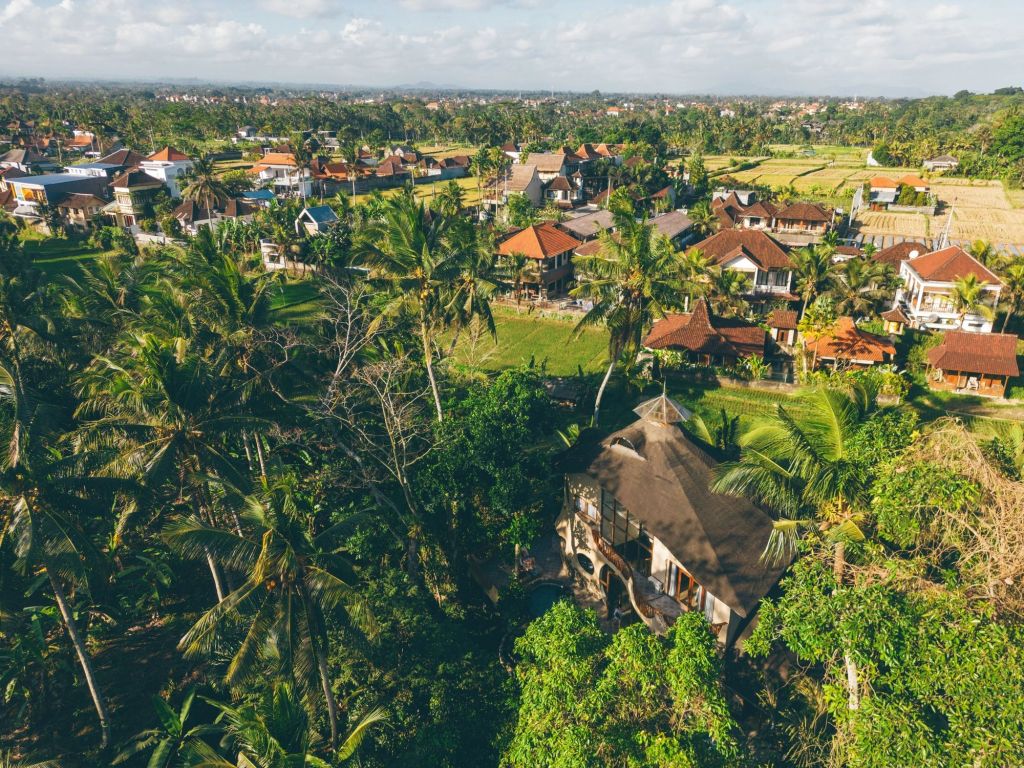
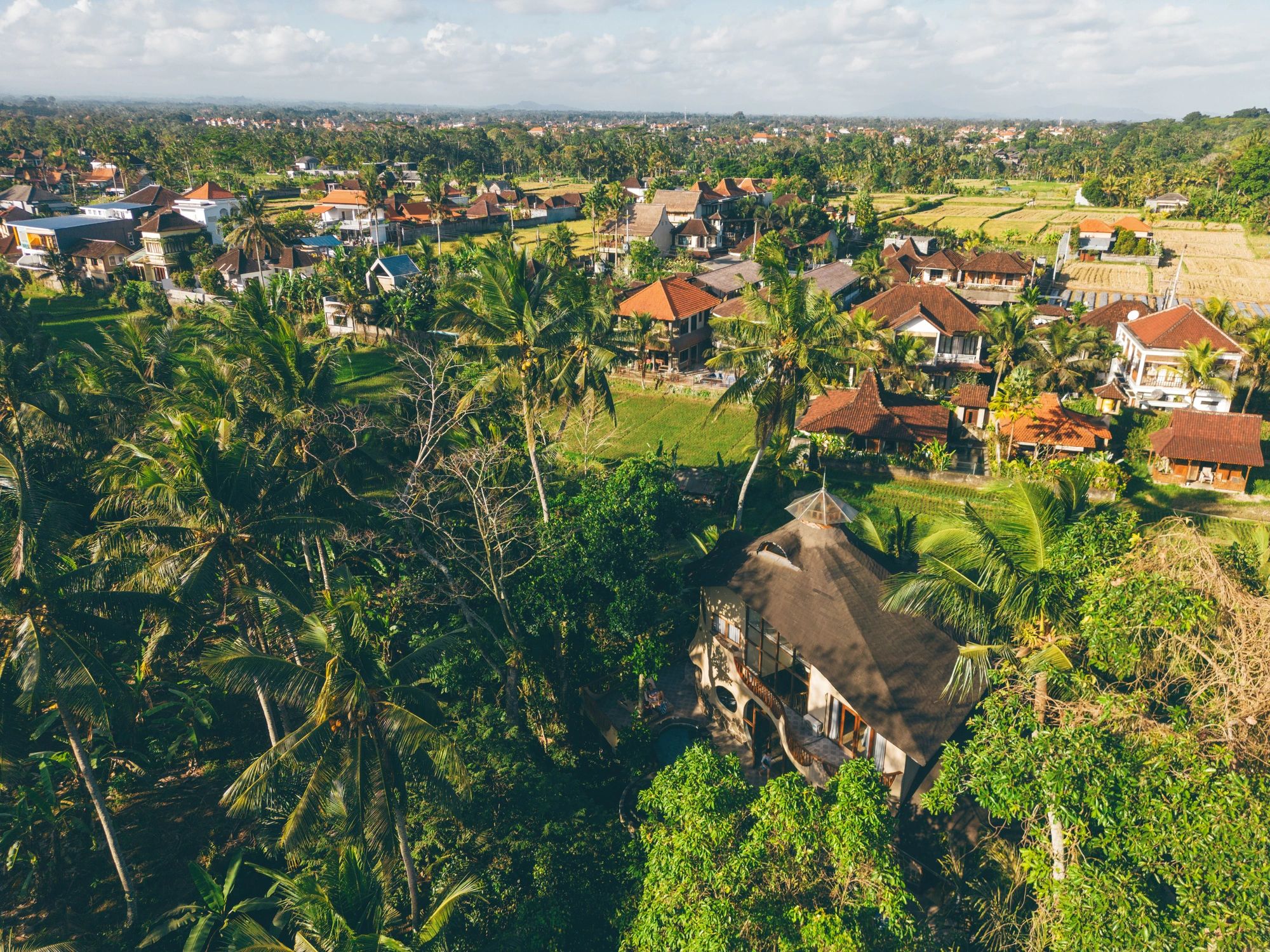
Tucked away from the well-worn paths of central Ubud lies a quieter, more intimate side of Bali—one where emerald rice terraces cascade down hillsides untouched by mass tourism and traditional village life unfolds at the rhythm of the seasons. While many visitors flock to iconic spots, a growing number of mindful travelers are seeking something deeper: authentic cultural immersion, serene natural beauty, and moments of true connection. This shift reflects a broader travel trend—moving beyond photo ops to experiences that honor place, people, and sustainability.
In these hidden corners of Ubud, you’ll find farmers tending subak-irrigated paddies using centuries-old methods, villages where temple ceremonies still dictate the calendar, and pathways that lead not to souvenir shops, but to family-run warungs and handwoven craft collectives. These areas offer a rare opportunity to witness Balinese life as it’s lived, not performed. From sunrise walks through mist-kissed terraces to participating in local harvest rituals, the experiences here are grounded in respect and reciprocity.
This guide will take you off the map—introducing lesser-known trails, introducing cultural etiquette for village visits, and offering practical tips for traveling responsibly in these fragile, sacred landscapes.
Beyond the Tourist Trail: 5 Hidden Gem Rice Terraces & Traditional Villages in Ubud
Venture beyond the postcard-perfect scenes of Tegallalang and discover the quieter, more authentic side of Bali’s cultural heartland. For travelers seeking genuine cultural immersion, these lesser-known rice terraces and traditional villages near Ubud offer serene beauty, centuries-old farming practices, and meaningful interactions with local communities.
Pertegangan Village & Tukad Cepung Rice Terraces
Nestled along the Tukad Cepung River, this tranquil village offers lush, cascading terraces often missed by tour groups. The narrow gorge and morning mist create a mystical atmosphere, ideal for quiet reflection. Locals here still use subak, Bali’s UNESCO-listed cooperative irrigation system. Visit early to witness farmers at work and respect private land by staying on marked paths.
Kedisan Village & the Silent Walk to Tirta Gangga Viewpoint
Perched above the UNESCO-listed Jatiluwih landscape, Kedisan provides an elevated, peaceful trek through active paddies. The Silent Walk Path, led by local farmers, teaches traditional planting cycles and Balinese agrarian philosophy. Engage in ngaben (offering-making) workshops or help prepare temple canang sari baskets.
Memelit Rice Terraces near Tirta Empul
One of Bali’s best-kept secrets, Memelit features rugged, steep-tiered fields with minimal infrastructure—just raw, authentic countryside. Easily accessed from the Tirta Empul temple, this area invites travelers to slow down. Many farms welcome guests for lunch exchanges, where visitors share stories over nasi campur prepared with heirloom rice.
Nyang Nyang Hamlet in Penglipuran (Near Bangli)
Though slightly outside Ubud, this preserved cultural village offers a pristine example of Bali Aga architecture and communal living. The surrounding terraces follow ancestral planting schedules. Tourists are encouraged to participate in mekepung (traditional bull racing) during harvest season or observe mepandes (tooth-filing ceremonies).
Sukawati’s Hidden Paddies Between Batuan & Celuk
Tucked between artsy enclaves, Sukawati’s understated fields are often overlooked. But they’re rich in ritual significance—many odalan (temple festivals) here involve rice-based offerings. Guided agro-tours explain how organic farming coexists with spiritual practice, and visitors can join seasonal ngusaba rituals to bless the crops.
These destinations emphasize mindful travel: wear modest clothing, ask before photographing farmers, and support local economies through homestays or village-led tours. Authentic cultural immersion begins where the crowds end.
Travel Like a Local: A Step-by-Step Guide to Respecting Ubud’s Hidden Rice Terraces & Villages
Visiting Bali’s lesser-known rice terraces and traditional villages in Ubud offers a serene escape from crowded tourist hubs—if you approach with cultural awareness and mindfulness. Follow these actionable steps to ensure your visit benefits both you and the local community.
1. Choose Eco-Friendly Transportation
Opt for a rented bicycle or electric scooter to reach remote terraces like Tegallalang’s backside trails or the quiet slopes of Sidemen. These options reduce emissions and allow you to travel at a pace that lets you absorb the landscape. If using a private driver, hire through a community-based tourism program that supports local families.
2. Dress Respectfully in Sacred Agricultural Zones
Even outside temples, many rice fields are part of subak—a UNESCO-recognized irrigation system tied to Balinese spirituality. Wear modest clothing: cover shoulders and knees with lightweight sarongs or long shorts. Avoid disruptive bright colors that stand out in natural settings.
3. Observe Without Intruding
When passing through working farms, stay on marked paths. Never step onto active terraces or touch crops. Use zoom features on cameras instead of getting close. Remember, these are livelihoods, not photo backdrops.
4. Support Local Etiquette with Small Gestures
If greeted with a sembah (hands pressed together), return the gesture. Always ask permission before photographing farmers. A small donation via a jamu (herbal drink) or fruit purchase from a village stall goes further than posing for a selfie.
5. Leave No Trace & Honor Water Temples
Avoid littering—even biodegradable fruit peels disrupt ecosystems. Some terraces border small pura tedung (field temples); observe quietly and never enter without invitation. Respect quiet hours, especially during early morning harvests or evening prayers.
Traveling with intention ensures these hidden gems remain preserved and respected for generations.
Life in the Rice Terraces: A Glimpse Into Bali’s Rural Heart
Tucked away from the tourist hubs of southern Ubud, the island’s hidden rice terraces reveal a quieter, more authentic side of Balinese life—one rooted in harmony, tradition, and agrarian rhythm. In these secluded highland villages like Tegallalang, Campuhan, and Sidan, daily life unfolds in sync with the rice-growing cycle, governed not by clocks but by nature’s seasons and ancestral customs.
Farming here follows subak, an ancient, community-managed irrigation system recognized by UNESCO for its sustainable design. This cooperative water-sharing method ensures equitable distribution across terraced plots, fostering a deep sense of collective responsibility. Farmers typically plant rice twice a year, with each cycle lasting about three months—from seedling transplantation to harvest using hand-held ani-ani (sickle tools).
Daily routines begin at dawn, with farmers tending to paddies, reinforcing water channels, or preparing organic compost. You’ll often see women weaving offerings from leaves and flowers—part of canang sari rituals—placed at family shrines and field corners to honor Dewi Sri, the rice goddess.
To truly connect: rise early to witness mist rising off the emerald slopes, walk the narrow pikulan (footpaths) between plots, and respect local customs by dressing modestly when near temples or ceremonial sites. These quiet agrarian communities offer more than scenic beauty—they invite mindful travelers to witness a living culture where spirituality and sustainability go hand in hand.
Is It Safe to Visit Hidden Rice Terraces and Villages in Ubud?
Are the hidden rice terraces in Ubud safe for independent travelers?
Yes, Ubud’s lesser-known rice terraces and surrounding villages are generally safe for solo and group travelers alike. While these areas are more remote than popular tourist hubs, local communities are accustomed to visitors and often welcome respectful exploration. Stick to marked footpaths, avoid wandering after dark, and be mindful of slippery trails during or after rainfall.
How accessible are these hidden spots for travelers with limited mobility?
Most hidden terraces involve unpaved, uneven terrain and steep drops, making them challenging for those with mobility issues. Some newer community trails are being developed with better accessibility in mind, but full wheelchair access is rare. Consider guided tours with local operators who can advise on terrain and offer alternative viewpoints.
Should I book a guided tour to visit secluded terraces?
Guided tours enhance both safety and cultural understanding. Local guides not only navigate difficult paths but also share insights about Subak irrigation systems and village life. Certified eco-tours minimize environmental impact while supporting community-based tourism initiatives.
What’s the best time to visit to avoid crowds and ensure trail safety?
Visit early morning—between 6–8 AM—to enjoy cooler temperatures, fewer people, and optimal photo conditions. The dry season (April–October) offers the most stable weather and secure footing on muddy paths.
Are motorbike rentals a safe option for reaching these villages?
Only experienced riders should attempt motorbike travel on narrow, winding village roads. Helmets are essential, and proper insurance is a must. For peace of mind, use local drivers or guided transport instead.
Travel Deeper, Not Just Farther
Exploring Ubud’s hidden rice terraces and quiet countryside villages offers more than just scenic views—it invites a slower, more intentional way of traveling. In a region often crowded with tour groups and photo-chasing visitors, stepping off the beaten path allows you to connect with the rhythm of daily Balinese life, from traditional subak irrigation systems to family-run warungs serving local nasi campur. These moments of authenticity not only enrich your journey but also support sustainable tourism practices that benefit rural communities.
Mindful exploration means prioritizing presence over posts—valuing a sunrise walk through Tegallalang’s lesser-known trails over a crowded Instagram spot. It means engaging with local customs respectfully, treading lightly on fragile ecosystems, and choosing homestays or eco-lodges that align with responsible travel principles. When you shift from ticking boxes to immersing yourself, you uncover the true soul of Ubud’s highlands.
Ready to plan a more meaningful escape? Start by researching village-based tours, consider guided walks with local farmers, and always travel with cultural sensitivity. The most rewarding experiences aren’t found in guidebooks—they’re discovered when you wander with purpose. Let your next adventure be one of depth, connection, and quiet wonder.
Love uncovering hidden travel gems like this?
Subscribe to the I-Journey blog and be the first to know when the app launches. We’ll also send you exclusive, in-depth travel guides—just like this one—straight to your inbox. No spam, just stories, tips, and inspiration for your next authentic adventure.
 I-Journey