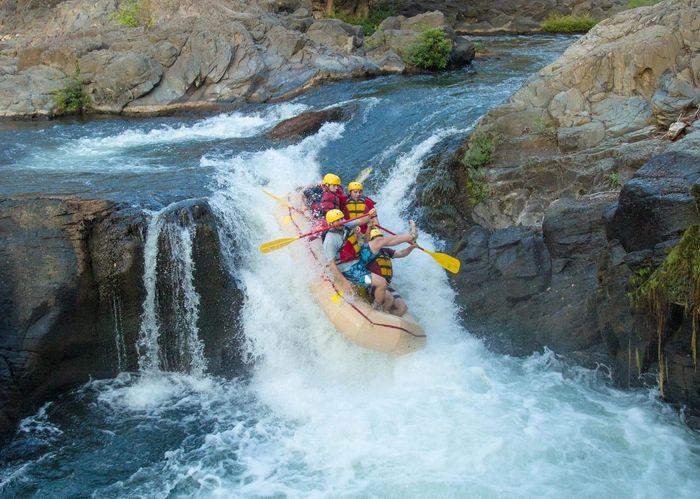
Feel the Rush: Where Adventure Meets Nature in Costa Rica
Imagine hurtling down wild tropical rivers, surrounded by roaring rapids, dense jungle canopies, and the call of howler monkeys echoing in the distance—welcome to white water rafting and canyoning in Costa Rica, a playground for thrill-seekers aged 18 to 40. These adrenaline-fueled activities aren’t just about heart-pounding drops; they’re immersive journeys into the country’s raw, untamed landscapes. From the Pacuare River’s world-class Class III-IV rapids to hidden jungle canyons carved by ancient waterfalls, Costa Rica offers unmatched access to adventure that blends physical challenge with natural beauty.
For those balancing excitement with safety, understanding the basics is key. White water rafting typically involves guided group navigation through defined river sections, with options ranging from beginner-friendly floats to intense technical descents. Canyoning—also known as canyoneering—combines rappelling, sliding, jumping, and swimming down natural water slides and cliff-lined gorges, often in remote rainforest settings like those near Arenal or Monteverde. Both activities require proper gear, river reading skills, and awareness of water conditions, which vary by season and region.
In this guide, you’ll learn how to:
Choose the right river or canyon based on skill level and fitness
Pack essential gear for both wet and rugged environments
Read water currents and navigate rapids safely
Respect local ecosystems while accessing remote adventure zones
Get ready to dive into the wild side of Central America—where every rapid and waterfall drop tells a story.
Ride the Rapids: Costa Rica’s Top Rivers for Thrilling White Water Adventures
White water rafting in Costa Rica offers an unbeatable mix of adrenaline, biodiversity, and scenic beauty, with rivers cutting through rainforests, volcanic valleys, and remote wilderness. Knowing which river matches your skill level—and expectations—can make all the difference in your adventure. The Pacuare River stands out as one of the most scenic and popular, offering Class III-IV rapids perfect for intermediate paddlers. Nestled between lush jungle canopies and howler monkey calls, its stretches of thrilling rapids like Upper and Lower Huacas are balanced with serene sections ideal for soaking in waterfalls and spotting toucans overhead.
For beginners or families, the Sarapiquí River provides a gentler Class II-III experience without sacrificing excitement. Flowing through working plantations and tropical forest, it’s an excellent introduction to rafting with consistent rapids and reliable water levels year-round. Meanwhile, thrill-seekers should target the Reventazón River, Central America’s longest rafting route, known for powerful Class IV-V sections like The Abyss and The Bathtub. This river rewards experienced rafters with intense drops and fast chutes framed by misty highland scenery.
The Savegre River offers a unique blend of cool, clear waters and moderate rapids (Class II-III), ideal for spring rafting or those seeking a more tranquil jungle float. Regardless of which river you choose, always check seasonal water flow—dry season (December–April) means lower, more predictable rapids, while rainy season (May–November) brings heightened intensity and dramatic scenery. Dress in quick-dry gear, listen closely to your guide’s safety briefing, and prioritize outfitters that follow Leave No Trace principles to help preserve Costa Rica’s fragile river ecosystems.
Your Step-by-Step Guide to Canyoning Preparation in Costa Rica
Canyoning in Costa Rica’s lush rainforest terrain is an exhilarating mix of rappelling, sliding, jumping, and swimming through stunning jungle gorges. But to enjoy this adventure safely, preparation is key. Follow this step-by-step guide to ensure you're ready.
1. Assess Physical Readiness
Canyoning demands moderate fitness—expect climbs, descents, and swimming. Strengthen your core, legs, and upper body beforehand. If you have joint issues or fear heights, practice low-angle rappelling first.
2. Gather Essential Gear
Wear a quick-dry wetsuit (water temps can be cool), neoprene socks, and secure water shoes with grip. Your helmet must be climbing-certified, and the harness should fit comfortably over wet clothing. Use a descender device rated for wet environments.
3. Master Basic Techniques
Before descending waterfalls, practice foot-first rappelling on dry rock. Learn how to clear rope tangles underwater and signal your team using hand cues. Always test anchors with a spotter.
4. Prioritize Safety Protocols
Check weather conditions—avoid canyoning during heavy rain to prevent flash floods. Always go with a certified guide or experienced group. Carry a waterproof first aid kit and whistle.
5. Hydrate and Fuel Up
Bring electrolyte-rich snacks and at least 2 liters of water. Even in humidity, exertion leads to dehydration.
With the right prep, Costa Rica’s canyons offer unforgettable thrills—safely.
Top 5 Adventure Tour Operators for Expert-Led Rafting & Canyoning in Costa Rica
When it comes to tackling Costa Rica’s most exhilarating rivers and hidden jungle canyons, choosing the right tour operator can make all the difference between a memorable thrill and a forgettable outing. Safety, expertise, and environmental responsibility are non-negotiables when navigating Class III-V rapids or rappelling down moss-covered waterfalls. Based on industry reputation and consistent guest feedback, here are five trusted operators renowned for delivering world-class white water rafting and canyoning adventures across Costa Rica’s most iconic regions.
Southern Pacific Rapids Specialists
Operating primarily on the mighty Reventazón River, this team offers guided rafting trips that balance adrenaline with education. Their certified river guides emphasize river reading, group paddling dynamics, and rapid safety protocols, making it ideal for intermediate adventurers. Multi-day packages often include canyoning add-ons in the nearby Bribri Highlands.
Northern Zone Jungle Expeditions
Focused on the adrenaline-rich Sarapiquí River, this outfit excels in immersive eco-adventures. Their canyoning tours in the Puerto Viejo de Sarapiquí region include waterfall rappels, natural slide descents, and swim-through caves—all led by bilingual guides trained in wilderness first response.
Central Valley Adventure Collective
Known for sustainable practices and small group sizes, they operate on the Balsa River, offering technical rafting with Class IV rapids. Their canyoning programs in the Juan Castro Blanco Reserve focus on conservation, with pre-trip briefings on watershed protection and native flora.
Pacific Coast River Guides
Based near Jacó, they run expert-led trips on the Naranjo River, known for its continuous rapids and scenic canyon walls. Their dual-certified guides (swiftwater rescue + rock climbing) lead hybrid raft-and-climb excursions ideal for seasoned thrill-seekers.
Tortuguero Waterway Pioneers
Specializing in the remote canals and rivers of Tortuguero National Park, they blend wildlife viewing with gentle rafting. Their eco-trained staff conduct canyoning sessions in the nearby Tilarán Mountains, emphasizing low-impact techniques and cultural sensitivity.
Your Costa Rica Adventure: White Water Rafting & Canyoning FAQs Answered
What are the age limits for white water rafting and canyoning in Costa Rica?
Age requirements vary by tour operator and river difficulty, but most companies allow children as young as 6–8 years old on milder Class II–III rafting routes like the Balsa or Tenorio rivers. More intense rapids (Class III–IV) on rivers like the Pacuare or Sarapiquí typically require participants to be at least 12–14 years old. For canyoning, the minimum age is usually 10 or older, depending on the route’s technical demands. Always confirm in advance, as physical fitness and comfort level are also considered.
Is white water rafting safe for first-timers?
Yes—rafting in Costa Rica is designed for all skill levels. Certified guides lead every trip, providing full safety briefings and properly fitted gear, including helmets and life jackets. Most popular rivers feature a mix of exciting rapids and calmer sections, allowing beginners to adjust. With strict adherence to safety protocols and experienced leadership, accidents are rare, making it a rewarding adventure for newcomers.
What should I expect during a canyoning tour?
Canyoning combines hiking, scrambling, rappelling, sliding down natural rock chutes, and jumping into deep pools. Expect to be fully immersed in Costa Rica’s rainforest terrain, navigating waterfalls and jungle streams. Guides provide all technical equipment—no prior climbing experience is needed for introductory routes.
Do I need to know how to swim?
Swimming ability is strongly recommended for both activities, especially rafting on intermediate or advanced rivers. While life jackets provide buoyancy, being comfortable in moving water increases safety and enjoyment.
What should I wear and bring?
Wear quick-drying clothing and secure water shoes (no flip-flops). Most operators provide wetsuits in cooler regions. Bring sunscreen, a reusable water bottle, and a waterproof bag for personal items.
Are these activities affected by the rainy season?
Yes—Costa Rica’s rainy season (May–November) increases water levels and rapids’ intensity. This can enhance rafting thrills but may lead to temporary tour suspensions during extreme conditions. Always check forecasts and tour policies before booking.
Embrace the Rush: Why Your Next Adventure Should Be in Costa Rica
Costa Rica isn’t just a destination—it’s a call to step beyond comfort zones and into a world where rushing rivers, jungle canyons, and heart-pounding descents define the journey. For young travelers seeking more than a beach towel and a cocktail, white water rafting and canyoning offer immersive ways to experience the country’s raw, untamed beauty. These aren’t passive sightseeing activities—they’re full-body engagements with nature, demanding presence, courage, and a willingness to embrace the elements.
The key takeaway? Adventure in Costa Rica is as much about personal growth as it is about thrills. Navigating Class IV rapids teaches teamwork and split-second decision-making, while leaping into natural jungle pools from canyon cliffs builds confidence and trust in both gear and guides. These experiences aren’t just adrenaline hits—they’re lessons in resilience, environmental awareness, and the deep satisfaction of conquering fears.
To get started:
Research local adventure outfitters with certified guides and strong safety records
Pack quick-dry clothing, water shoes, and a secure way to carry essentials
Choose the dry season (December to April) for optimal water clarity and rafting conditions
Always review gear checks and safety briefings—your confidence starts with preparation
Let Costa Rica’s rivers and rainforest canyons redefine what travel means to you. The next wave isn’t just coming—it’s waiting for you to take the plunge.
Stay in the loop on more epic getaways and real-deal travel guides—we’re building something special at I-Journey. Subscribe to our blog and be the first to know when we launch, so you never miss an adventure-ready itinerary.
 I-Journey