Escape the Crowds: Discover the Dolomites’ Best-Kept Secrets
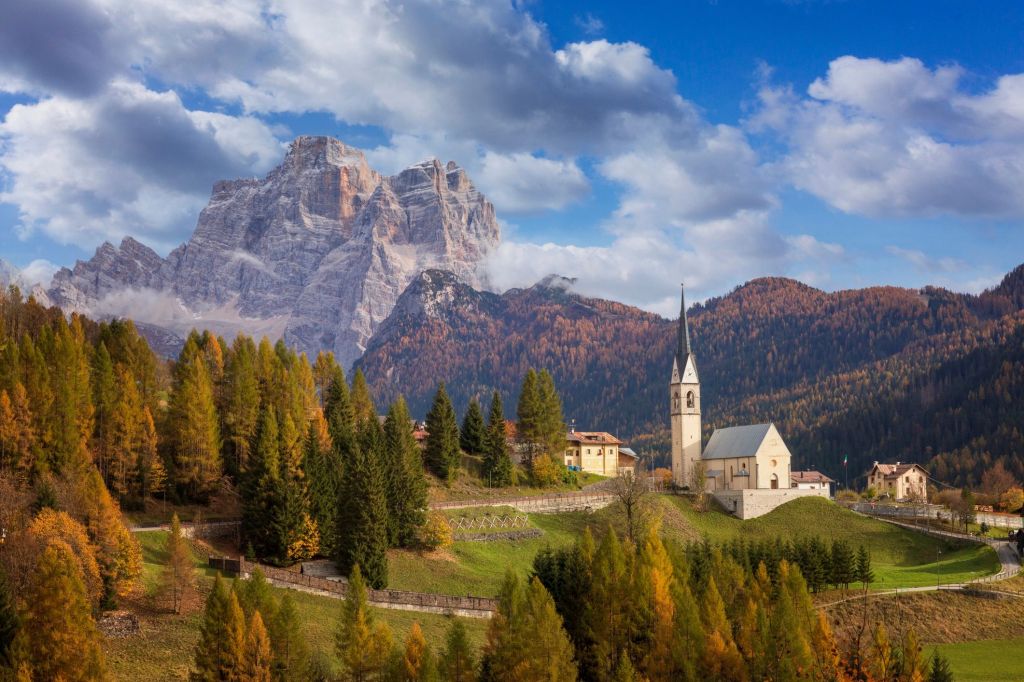
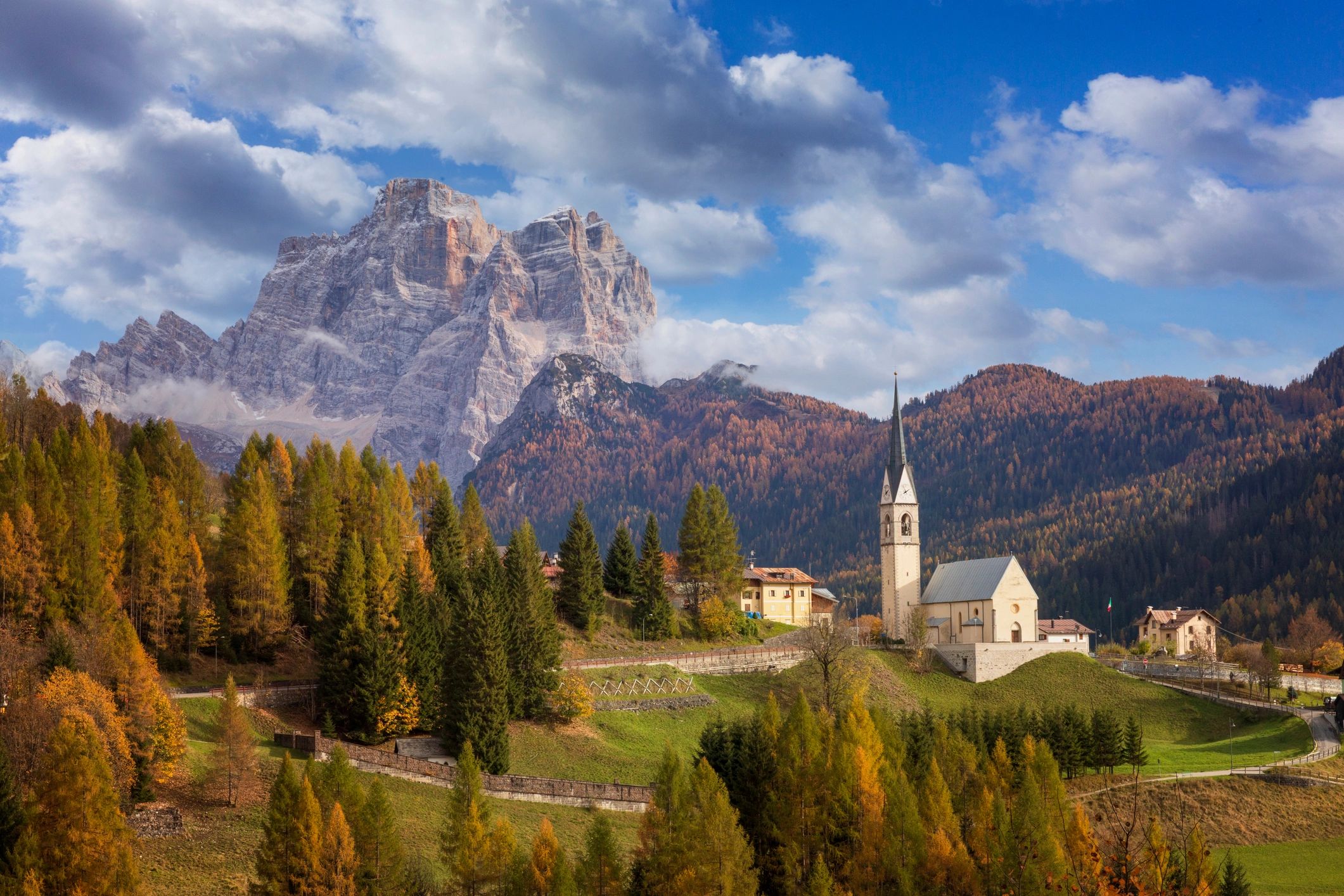
Tucked within the dramatic spires and alpine valleys of Northern Italy lies a network of hidden gem villages in the Dolomites—charming, lesser-known hamlets that offer an authentic slice of mountain life far from the tourist trails. While destinations like Cortina d'Ampezzo draw crowds, travelers seeking tranquility and cultural richness are turning to quiet stone-built villages like Alpe di Tones, Santa Maddalena, and Morbegno, where centuries-old traditions thrive amid panoramic views of jagged peaks and larch forests.
These alpine sanctuaries appeal to travelers focused on meaningful, immersive experiences—agriturismo farm stays, local food festivals featuring polenta and speck, and guided foraging walks through high meadows. Infrastructure remains minimal, preserving their rustic charm but requiring thoughtful planning: limited lodging, seasonal accessibility, and car-dependent transport mean visitors must approach with preparation and respect.
In this guide, you'll learn how to identify the most authentic Dolomite villages, what unique cultural and outdoor experiences they offer, and how to blend exploration with responsible travel practices. From timing your visit to align with harvest festivals to choosing eco-conscious accommodations, this section sets the foundation for a smarter, more rewarding mountain journey.
Discover the Undiscovered: Hidden Alpine Villages Worth Exploring
Tucked within the dramatic peaks and sweeping valleys of the Dolomites lie charming villages often bypassed by mainstream tourism—perfect for travelers seeking authenticity, quiet beauty, and immersive cultural experiences. These hidden gem villages offer more than just postcard-worthy scenery; they provide a window into mountain life shaped by centuries of tradition, alpine architecture, and sustainable living. For those planning a deeper connection with the region, understanding what makes each village unique can transform a simple trip into a meaningful journey.
Each village showcases its own blend of Ladin, Italian, and Austrian influences, visible in the language, cuisine, and hand-carved wooden balconies overflowing with geraniums. Places like Alta Badia’s lesser-known hamlets or Val di Fassa’s secluded clusters boast stone-and-timber Maso farms, centuries-old churches, and cobblestone paths that lead to panoramic trails. Locals often maintain traditional customs—from harvest festivals to krah cheese-making—inviting respectful cultural exchange.
Travelers benefit from quieter access to outdoor adventures: dawn hikes with fewer crowds, intimate wine tastings with family-run producers, and guided foraging tours through alpine meadows. Staying in family-operated guesthouses supports sustainable tourism while offering richer storytelling opportunities.
To make the most of your visit:
Prioritize villages connected by local transit or guided eco-tours
Learn a few Ladin or German phrases to deepen local interactions
Visit during shoulder seasons (late spring, early autumn) for ideal weather and availability
Choosing these off-the-beaten-path destinations not only enhances your experience but also promotes balanced tourism across fragile mountain ecosystems.
Navigate the Dolomites with Confidence: Your Step-by-Step Travel Plan
Exploring the hidden gem villages of the Dolomites is a dream for travelers seeking alpine charm, breathtaking landscapes, and authentic Italian culture. To make the most of your journey, follow this practical guide to transportation, timing, and accommodations.
1. Choose the Right Transportation Mode
Renting a car offers the greatest flexibility for reaching remote villages like Alpe di Siusi or Val Fiscalina. If driving isn’t ideal, rely on the efficient regional bus system—SAD and MOM lines connect major towns and mountain access points year-round. For long-distance travel, arrive via train to Bolzano, Brixen, or Cortina d’Ampezzo, then transfer to local transit.
2. Time Your Visit Strategically
Aim for late spring (May–June) or early autumn (September–October) to enjoy mild weather, fewer crowds, and full access to hiking trails and village festivals. Winter visits are perfect for ski access but require planning around snow closures and higher lodging rates.
3. Book Accommodations Early
Opt for family-run rifugi (mountain huts), agriturismos, or boutique guesthouses in villages like Sappada or Funes Valley. These often book up months in advance during peak seasons, so secure stays at least 3–4 months ahead. Look for properties offering breakfast included and free parking.
4. Prepare for Mountain Conditions
Pack layers, waterproof gear, and sturdy footwear regardless of season. Download offline maps or a trail app, as cell service can be spotty in valleys.
By planning each step, you’ll unlock the Dolomites’ best-kept secrets with ease.
Savor the Alps: Experience Authentic Dolomite Culture Through Food, Festivals & Daily Life
Immerse yourself in the soul of the Dolomites by embracing the traditions, flavors, and rhythms of village life. Hidden gem villages like Ortisei, Canazei, and Toblach offer more than postcard-perfect scenery—they provide a living connection to Ladin heritage, centuries-old culinary practices, and seasonal alpine customs. To truly experience the region, engage with local culture beyond the trailheads and cable cars.
Begin with the cuisine—indulge in canederli (bread dumplings), rich veal stews with polenta, and smoked speck served with homemade pickles. These hearty dishes were born from mountain necessity and are best enjoyed in family-run gasthäuser where recipes are passed down generations. Pair your meal with a glass of Kerner, a native white wine that thrives in high-altitude vineyards.
Participate in seasonal events like Almabtrieb, the autumn cattle drive where decorated cows parade through villages, adorned with flowers and bells. These celebrations reflect the deep bond between locals and the land. Visit a weekly morning market to chat with artisans selling hand-carved woodcrafts or artisan cheeses.
For an authentic connection, take a guided herb walk with a local Kräuterfrau (herb woman) or join a fondue evening in a mountain hut. These experiences offer meaningful insight into the alpine way of life—slow, intentional, and deeply rooted in nature.
FAQs: Everything You Need to Know Before Visiting Dolomites’ Hidden Village Escapes
Exploring the secluded villages nestled deep within the Dolomites offers a magical mix of alpine charm, ancient traditions, and breathtaking landscapes—yet many travelers have essential questions before venturing off the beaten path. From navigating narrow mountain roads to respecting local customs, being informed enhances both your experience and cultural sensitivity.
Are the hidden villages in the Dolomites accessible by public transportation?
While major towns like Bolzano and Cortina d’Ampezzo have reliable bus and train service, most hidden villages—such as San Pancrazio or Rio Gere—are accessible primarily by car or seasonal shuttle routes. Off-season visits (late autumn or early spring) may require checking regional transit updates, as schedules are reduced. Renting a compact, high-clearance vehicle is recommended for steep, winding mountain roads.
What language should I use when visiting these alpine villages?
The Dolomites are a multilingual region. German and Ladin are commonly spoken alongside Italian. In Ladin-speaking areas (like Val di Fassa), greetings such as “Eh sias!” (Hello!) are appreciated. Basic Italian often suffices, but learning a few local phrases fosters goodwill and deeper cultural connection.
Is it appropriate to photograph homes and locals in these villages?
Always ask for permission before photographing people or private property. Many residents take pride in maintaining traditional masi (farmhouse architecture), and while picturesque, these are lived-in heritage spaces, not tourist exhibits.
What should I know about cultural etiquette in rural Dolomite communities?
Dress modestly when visiting village churches, remove footwear before entering homes if asked, and greet shopkeepers with a simple “Buongiorno” upon entry. Sustainability is taken seriously—recycle diligently and avoid loud behavior, especially in narrow, intimate streets.
Are accommodations in these villages suitable for English-speaking travelers?
Yes. Family-run guesthouses (pensioni) and agriturismi often have English-speaking hosts, particularly during peak hiking and ski seasons.
Do I need cash in these remote mountain villages?
While many establishments accept cards, carrying cash (Euros) is advisable—especially in smaller baita (alpine huts) or local markets.
What’s the best way to support the local economy responsibly?
Purchase directly from village artisans, dine at family-owned rifugi, and hire local guides for mountain excursions. These choices help sustain the authentic character of these alpine treasures.
Beyond the Tourist Trails: Why Hidden Alpine Villages Matter
Venturing into the secluded villages of the Dolomites offers more than just scenic views—it delivers an authentic alpine experience often lost in busier destinations. These quiet hamlets, tucked between rugged peaks and pine-covered slopes, preserve centuries-old traditions, from Ladin culture to artisanal cheesemaking and hand-carved woodcraft. Unlike overcrowded resort towns, these hidden gems provide space to truly connect with the mountain environment, whether you're hiking pristine trails, savoring slow-paced village life, or discovering local festivals that have long shaped regional identity.
For thoughtful travelers, choosing off-the-beaten-path destinations supports sustainable tourism by distributing economic benefits beyond major hubs. It helps maintain the cultural fabric of rural communities while reducing environmental strain. To make the most of your visit:
Travel in shoulder seasons like late spring or early autumn to experience villages at their most vibrant and least crowded
Engage with local guides who can unlock stories, secret trails, and family-run rifugi (mountain huts) not found on standard maps
Choose family-run accommodations and farm-to-table eateries to support the local economy directly
Exploring these alpine treasures isn’t just about beautiful scenery—it’s about meaningful connection, cultural preservation, and responsible discovery. Let curiosity lead you beyond the postcard spots and uncover the soul of the Dolomites, one quiet village at a time.
 I-Journey