Where Adventure Meets Affordability in Southern Chile
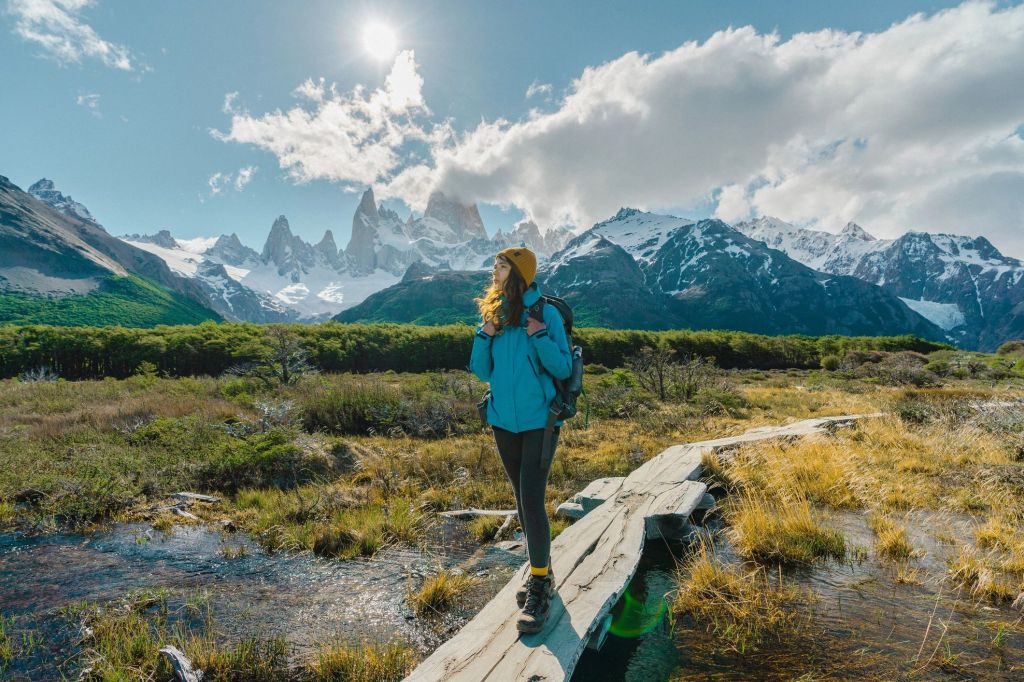
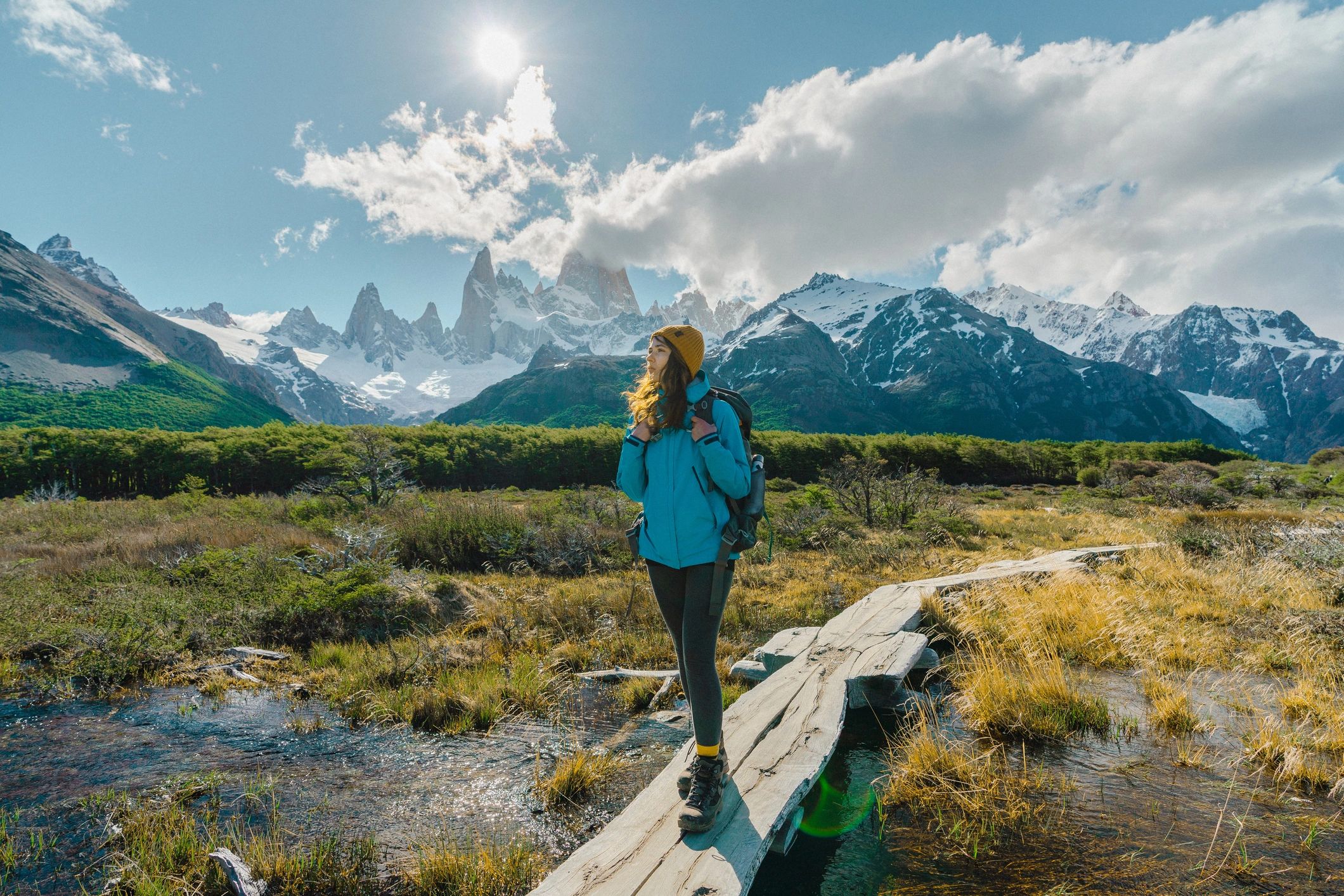
Few destinations stir the soul like Patagonia—a raw, untamed expanse of jagged granite peaks, thundering glaciers, and windswept steppe that calls to budget-savvy travelers eager for authenticity over luxury. Nestled at the southern tip of South America, this region spans southern Chile and Argentina, offering some of the most dramatic landscapes on the continent without demanding a luxury backpacker’s budget. For North Americans aged 18 to 40 looking to stretch their dollars without sacrificing experience, Patagonia delivers unparalleled value through accessible public refugios, affordable local buses, and hearty, low-cost meals that fuel days of exploration.
What makes Patagonia particularly compelling is its unique blend of wild accessibility and off-grid charm. Unlike more commercialized trekking regions, much of Chilean Patagonia operates on a do-it-yourself model, where planning ahead, embracing minimalism, and traveling in shoulder seasons can dramatically reduce costs. With strategic routing, packable gear, and a willingness to camp or stay in hosterías and modest guesthouses, it’s possible to explore world-renowned trails like the W Trek in Torres del Paine or lesser-known routes in Aysén and Última Esperanza for under $50 a day.
In this guide, you’ll learn how to navigate transportation networks, secure affordable lodging, pack smart for volatile weather, and tap into local food economies—all while immersing yourself in one of Earth’s last great wildernesses.
Smart Spending Strategies for Backpacking Patagonia on a Budget
Backpacking Patagonia doesn’t require deep pockets—just smart planning and savvy spending habits. With strategic budgeting, travelers can enjoy the region’s iconic trails, glaciers, and mountain vistas without overspending. A typical daily budget in Patagonia ranges from $60–$100 USD, depending on the season and location, with accommodation and transportation being the largest variables.
Start by prioritizing affordable lodging. Refugios and campgrounds along major trekking routes like the W Circuit or Laguna del Desierto offer low-cost shelter and often include cooked meals. Self-camping with a permit is even cheaper and allows greater flexibility. Book early during peak season (December–February), as spots fill quickly.
Save significantly on food by shopping at local ferias (markets) or supermarkets in gateway towns like El Calafate, El Chaltén, or Puerto Natales. Prepare your own meals using fresh, seasonal produce and bulk staples. Carry a lightweight stove and reusable containers to minimize reliance on overpriced mountain hut dinners.
For transportation, opt for shared shuttles or public buses instead of private tours. Many trails are accessible via well-connected regional transit, especially along Argentina’s Ruta 40 and Chile’s Carretera Austral. Walking or biking into trailheads reduces shuttle costs and enhances the adventure.
Track daily expenses in a travel journal or mobile app to stay within budget. Prioritize free activities—self-guided hikes, wildlife spotting, and scenic viewpoints—and save splurging for once-in-a-lifetime experiences like glacier hikes or boat tours.
Gear Smart, Travel Far: Budget-Friendly Essentials for Patagonia’s Unpredictable Climate
Conquering Patagonia’s legendary trails doesn’t require a premium gear haul. With smart packing and strategic choices, you can stay protected from wind, rain, and sudden temperature swings without overspending. Focus on layering, durability, and multipurpose items to maximize value and minimize pack weight.
Start with a Quality Rain Shell (Skip the Overpriced Brand)
A waterproof, breathable rain jacket is non-negotiable in Patagonia’s wettest zones like Torres del Paine or Los Glaciares National Park. Instead of top-tier brands, look for budget models with taped seams and a durable water repellent (DWR) finish. Test mobility by raising your arms—freedom of movement matters on steep ascents.
Use a Synthetic Insulated Jacket for Warmth
Down loses insulating power when wet, making synthetic fill a smarter, often cheaper choice. These jackets dry quickly, retain heat during drizzle, and compress well. Wear yours as a mid-layer during cold mornings or as an outer in calmer weather.
Pack a 3-Season Sleeping Bag with a Liner
A sub-zero-rated bag may be overkill unless winter camping. Instead, pair a 20°F (-7°C) mummy bag with a silk or fleece liner. This combo boosts warmth by 10–15°F and keeps your bag cleaner, extending its life.
Choose Trekking Poles Over Gaiters (Unless in Snow)
Gaiters are often low-value unless you’re hiking early season trails with residual snow. Lightweight trekking poles improve stability on loose scree and reduce knee strain—especially on descents through Patagonia’s rugged terrain.
Roll, Don’t Stuff: Master the Compression Game
Use compression sacks for clothing and sleeping bags to save space. Rolling clothes instead of folding reduces air pockets and helps you fit more into a 50–65L pack—a sweet spot for multi-day hikes without airline penalties.
Prioritize function over flash, and your gear will serve you well across Patagonia’s ever-changing landscape—all while staying firmly within budget.
Compare Patagonia’s Top Trekking Routes: Value, Access, and Timing Secrets
When backpacking Patagonia on a budget, choosing the right trek can make or break both your experience and your wallet. Two of the most iconic routes—Torres del Paine Circuit and the lesser-known Dientes de Navidad trek—offer vastly different experiences in terms of cost, logistics, and crowd levels.
The Torres del Paine W Trek is more accessible, with well-established refugios, shuttle services, and ranger stations. Permits are required but widely available from November to early March, the high season. However, peak demand drives up prices for transportation, lodging, and guided tours—budget travelers should expect limited availability and inflated rates.
In contrast, the Dientes de Navidad trek on Navarino Island is permit-free and sees far fewer hikers. While it lacks infrastructure—requiring full self-sufficiency—it offers dramatic alpine terrain and direct access to the Beagle Channel at a fraction of the cost. Travelers save on accommodations and entrance fees but must invest more time and preparation.
Another key differentiator: best times to visit. Late September to October and April offer shoulder-season benefits—fewer crowds, lower prices, and still-stable weather—especially for the W and O Circuits. Meanwhile, the Dientes trek is best attempted in the austral summer (December–February) due to extreme conditions.
For those prioritizing cost savings and solitude, remote routes win. For convenience and support, flagship parks dominate. Choosing based on your budget, tolerance for self-reliance, and comfort with logistics is key.
Timing Your Trek: When to Visit Patagonia for the Best Value and Experience
Planning a backpacking trip to Patagonia doesn’t just hinge on fitness or gear—it starts with choosing the right time to go. For budget-conscious adventurers, timing your journey around the shoulder seasons—October to early December and March to April—offers the ideal balance of favorable weather, manageable crowds, and cost savings. These transitional periods flank the peak summer months (December–February), allowing travelers to avoid the crush of tourists while still accessing well-maintained trails and open refugios across iconic regions like Torres del Paine, Los Glaciares, and Aysén.
During shoulder season, daily temperatures remain mild, averaging between 40–60°F (4–15°C), making for stable trekking conditions without the unpredictability of deep winter weather. Crucially, flight and accommodation rates are significantly lower than in peak season, sometimes by as much as 30–40%, especially when booking refugios or shuttle transfers in advance.
Key benefits include:
Fewer hikers on popular trails like the W Circuit and Laguna Grande
More availability at ecocamps and mountain lodges, reducing last-minute booking stress
Long daylight hours without the mid-summer wind intensity common in January
Travelers who prioritize value and a solitary connection with Patagonia’s dramatic landscapes will find the shoulder seasons deliver the optimal mix of accessibility, affordability, and alpine solitude.
Stay Safe & Prepared: Your Essential FAQs for Backpacking Patagonia
Is Patagonia safe for solo North American travelers?
Yes, Patagonia is generally safe for backpackers, including solo travelers. Violent crime is rare in rural areas, but standard precautions apply—secure your belongings, avoid hiking after dark, and stay aware of your surroundings. Most risks stem from nature, not people, so focus on preparedness over personal security.
What are the visa requirements for U.S. and Canadian citizens?
Citizens from the U.S. and Canada do not need a visa for tourist stays up to 90 days in Chile or Argentina. Ensure your passport is valid for at least six months beyond your entry date and carry proof of onward travel, as immigration officials may request it.
How do I handle travel logistics between Chilean and Argentine Patagonia?
Crossing the border between Chile and Argentina is common but requires planning. Major crossings like Puerto Natales to El Calafate operate seasonally and may involve long bus rides or shuttles. Always check border pass availability in advance—some mountain passes close in winter.
Are there health precautions I should take before arriving?
No mandatory vaccinations exist for Patagonia, but routine immunizations should be up to date. Consider carrying a basic first-aid kit with blister treatment, altitude sickness medication, and antihistamines. Drink only filtered or bottled water in remote campsites.
What should I know about emergency services in remote regions?
Medical facilities are limited outside major towns like Bariloche or Punta Arenas. Carry travel insurance that covers evacuation, and register your itinerary with someone back home. Satellite communication devices are recommended for off-grid treks.
Do I need travel insurance?
Yes—comprehensive travel insurance that includes medical coverage, trip delays, and emergency evacuation is essential. Many remote trails lack accessible help, and rescue operations can be costly without coverage.
Your Patagonia Adventure Awaits—Without Breaking the Bank
Backpacking Patagonia on a budget isn’t just possible—it’s one of the most rewarding ways to experience the region’s raw, untamed beauty. From the iconic towers of Torres del Paine to the remote trails of El Chaltén, careful planning and smart choices can stretch every dollar while deepening your connection to the landscape. By embracing local transportation, prioritizing free or low-cost refugios, and stocking up on groceries instead of dining out, travelers consistently find that authenticity often comes at a lower price point.
Key strategies like traveling in shoulder seasons, cooking your own meals, and leveraging regional buses not only reduce expenses but also lead to more intimate encounters with nature and culture. The value of a budget-focused approach goes beyond savings—it fosters self-reliance, adaptability, and a slower, more mindful pace that enriches the journey.
Take the next step: Start mapping your route, research local transit schedules, and build a lightweight gear list tailored to Patagonia’s volatile weather. Then, subscribe for more practical travel tips that help you explore the world thoughtfully, affordably, and with confidence. The trail is calling—pack light, plan well, and go.
 I-Journey