
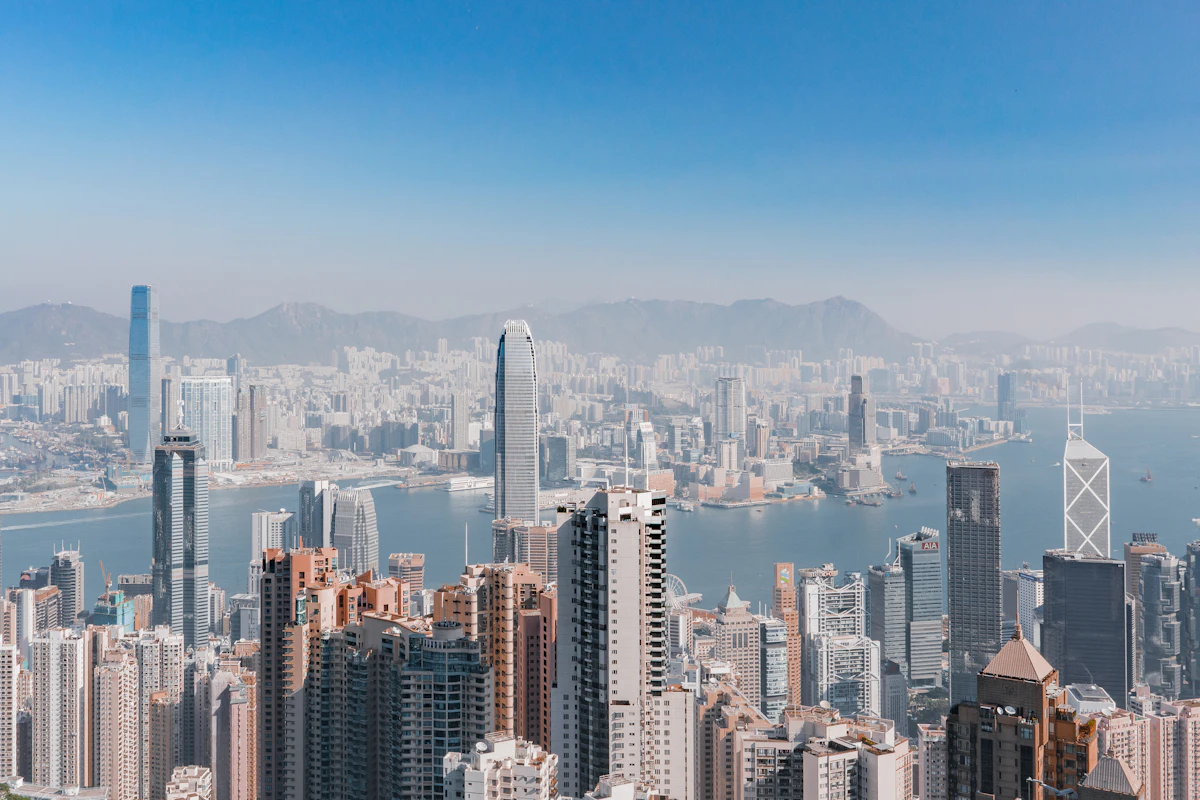
Anyone who has flown out of Hong Kong in recent years has done so through a single terminal doing the work of two. Terminal 2 was closed and largely demolished to make way for a rebuilt structure, and on 27 May 2026 its passenger departure facilities reopened — among the most consequential terminal projects to come online in Asia this year. For a hub that has spent the decade rebuilding traffic, the extra processing capacity arrives at a useful moment.
The rebuild is not a cosmetic refresh. The original T2 handled check-in only, sending departing passengers through a walkway to reach gates elsewhere. The reconstructed building is designed as a full terminal integrated with the airport’s three-runway system, which reshapes how airlines can be allocated across the site and, more importantly, how many passengers can be pushed through the departure process in a peak morning bank without the queues that had become routine in Terminal 1.
Hong Kong is one of several airports adding significant capacity in 2026. JFK’s New Terminal One is slated to open later this year with 14 gates, growing to 23 by 2030. Hollywood Burbank opens a $1.3 billion replacement terminal on 13 October. Montreal Metropolitan Airport opened a new passenger terminal on 15 June. It is an unusually dense year for ribbon-cuttings, reflecting projects conceived before the pandemic and delivered well after it.
The traveller’s takeaway at any newly opened terminal is the same, and it is worth repeating: check which building your airline actually departs from on the day, not which one it used last time. Terminal assignments shift during phased openings, inter-terminal transfers take longer than the signage suggests, and ride-hail drivers work from stale map data for months. Give yourself an extra thirty minutes at Hong Kong this year and you will almost certainly not need it — which is the point.
Sources: Simple Flying, Time Out Hong Kong
Stay In The Loop
Get new Travel News stories in your inbox.


Leave a Reply